



Adapt recipes for low-sodium eating

Stop rewriting every
low-sodium recipe in your head.

Keep the dish. Change the salt-forward defaults.

Paste or choose a recipe, set your low-sodium preference, and let Kale AI suggest flavour-first swaps for sauces, stocks, seasonings, toppings, shopping lists, and Cook Mode steps.

Low-sodium swaps Recipe adaptation Sauces Stocks Shopping list Cook Mode
The old way

A good recipe becomes
a tiny negotiation.

Soy sauce, stock, bottled sauce, cheese, cured toppings, and seasoning blends all ask for edits.

Kale AI can turn those edits into repeatable swaps instead of fresh homework.

Removing salty ingredients can remove the best part of the dish.

The better move is replacing salt-forward flavour with citrus, herbs, spice, aromatics, heat, browning, and texture.

The grocery list needs to remember the adapted version.

Kale AI carries the swaps into stocks, sauces, canned goods, toppings, and pantry choices.

Kale Diary · Free companion tool

Not sure which salty defaults repeat?

Notice your patterns first. Then adapt around them.

Before you set dinner defaults, it helps to see what already repeats. Kale Diary is a free companion tool — log what you ate, note how the day felt, and let repeated meals and ingredients become easier to notice. No barcodes. No database. As fast as a text message.

After a few days, Kale Diary can help you spot the meals, pantry habits, and food routines that keep showing up in your notes.

Once you know what you want your kitchen profile to remember, Kale AI turns those preferences into meals, swaps, groceries, and cooking steps.

Kale Diary → notice patterns. Kale AI → adapt recipes around your low-sodium preference.

Try Kale Diary free Web-based · Works offline · Your data stays on your device
Before / after adaptations

Same dinner idea.
Better flavour defaults.

Low-sodium adaptation is not about making food plain. It is about changing where flavour comes from.

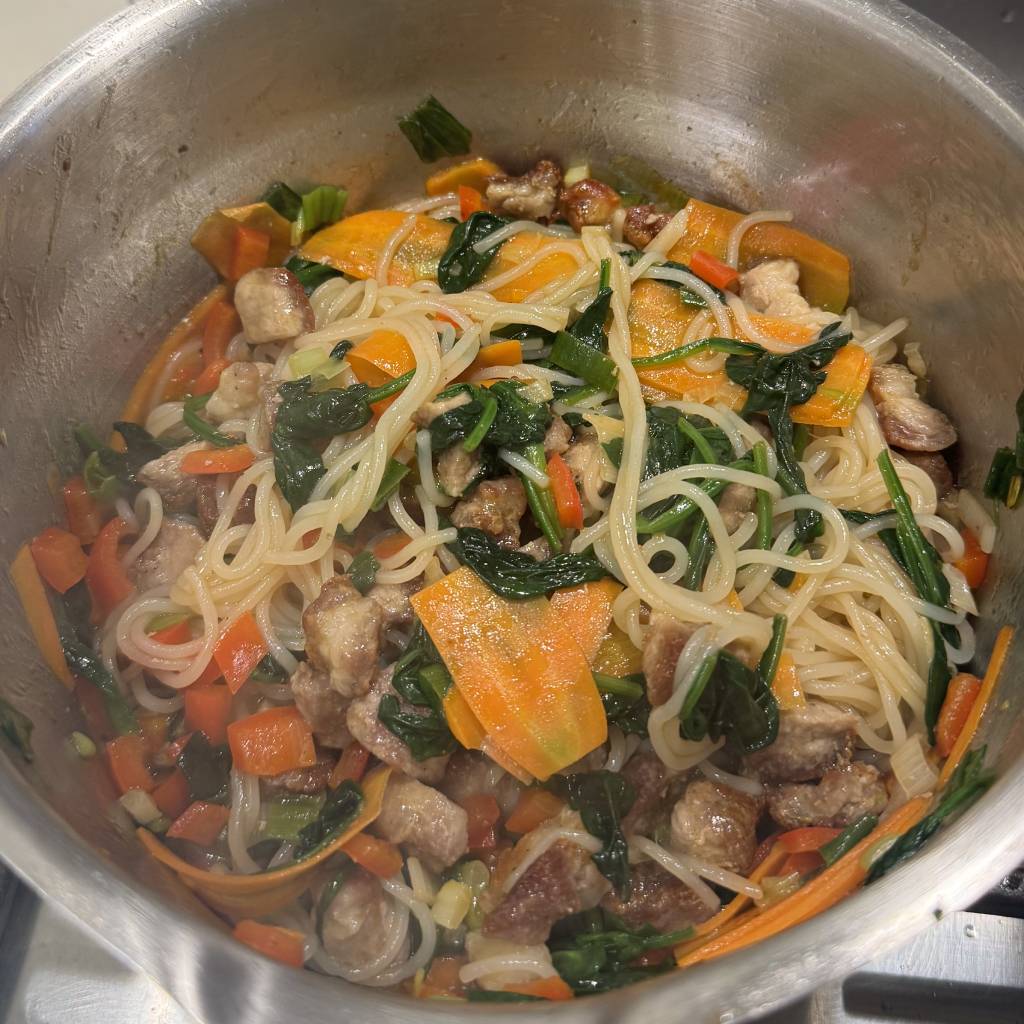
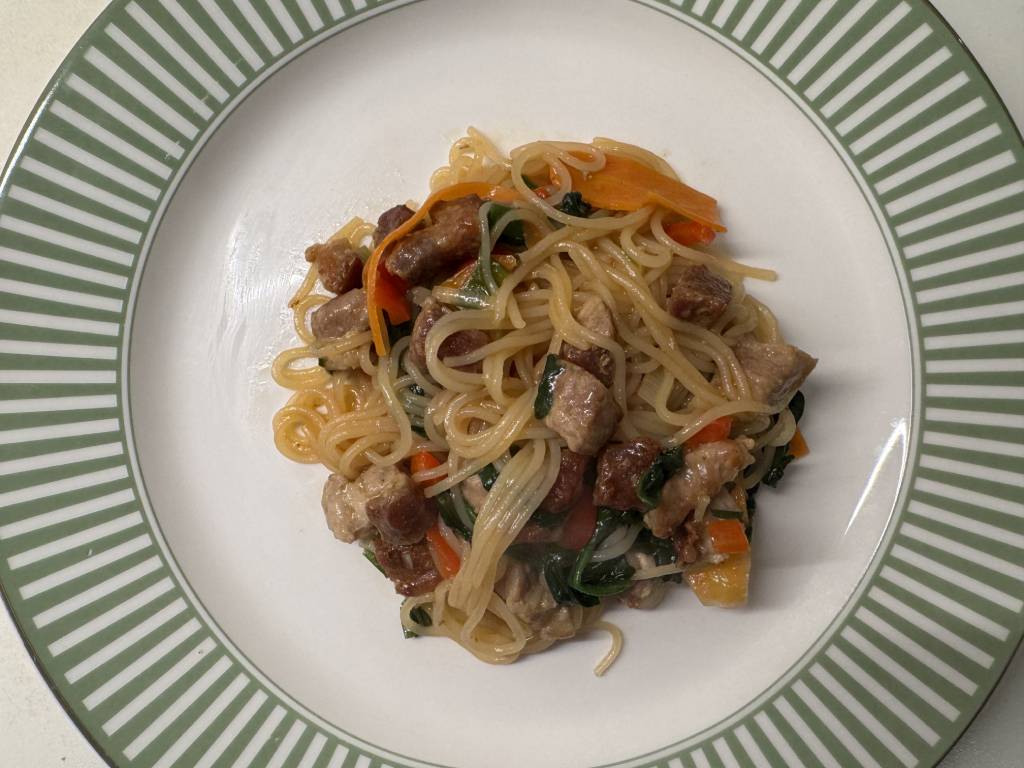
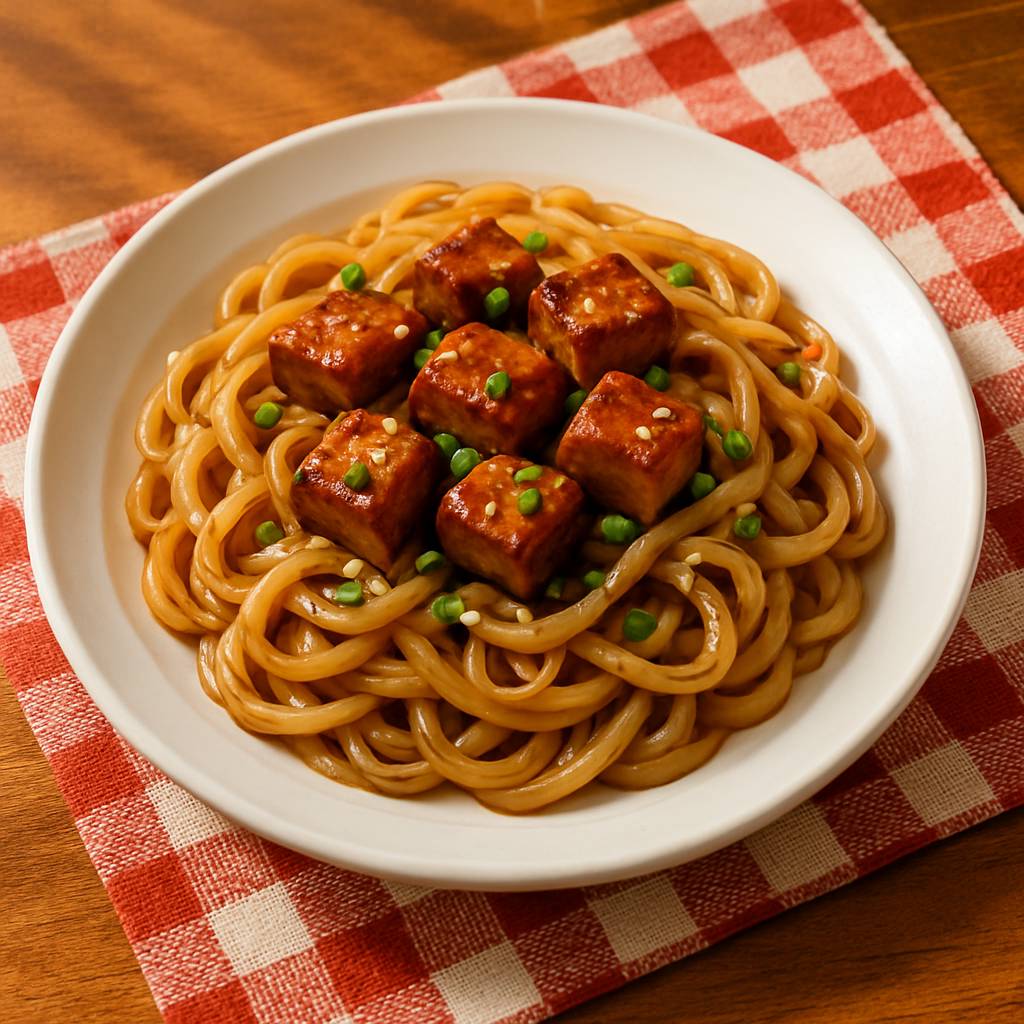
Low-sodium adapted noodle skillet
Sauce adapted

Pork & Rice Noodle Skillet

30 min · Adapted recipe
  • Regular soy sauce Low-sodium tamari + orange
  • Bottled stir-fry sauce Ginger, garlic, citrus glaze
  • Salted garnish Fresh herbs + toasted sesame
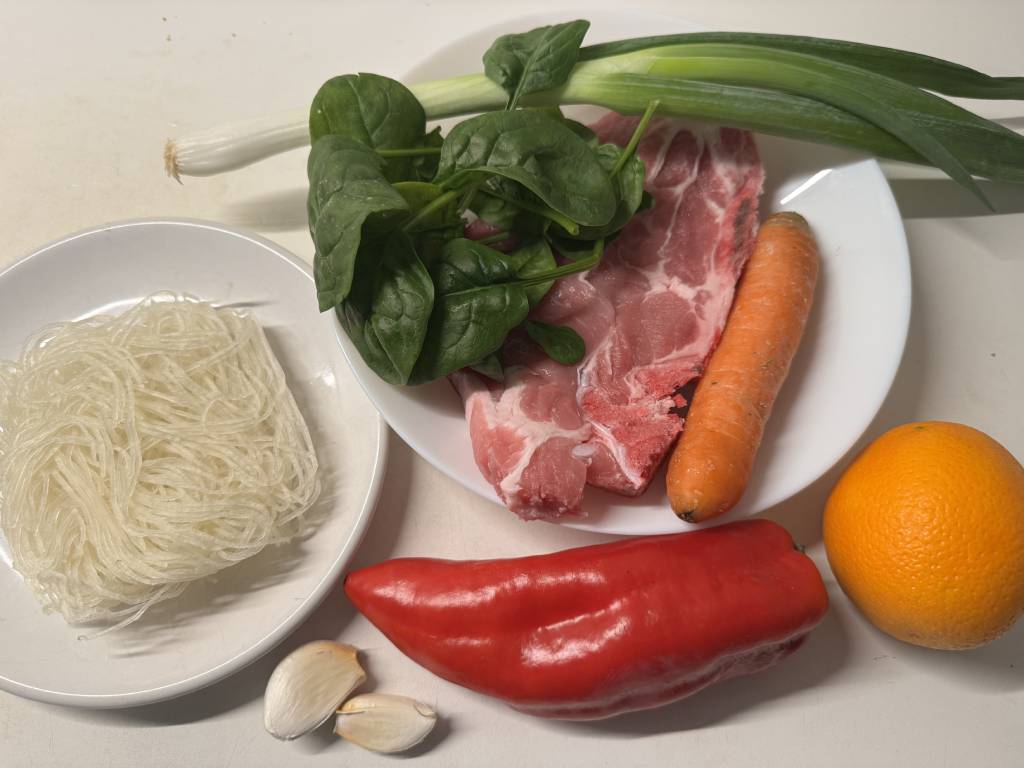
Searing pork for a low-sodium adapted skillet Building a citrus ginger sauce Finished low-sodium adapted noodle skillet

Kale AI can preserve the stir-fry idea while replacing salt-forward sauce with citrus, aromatics, heat, and texture.
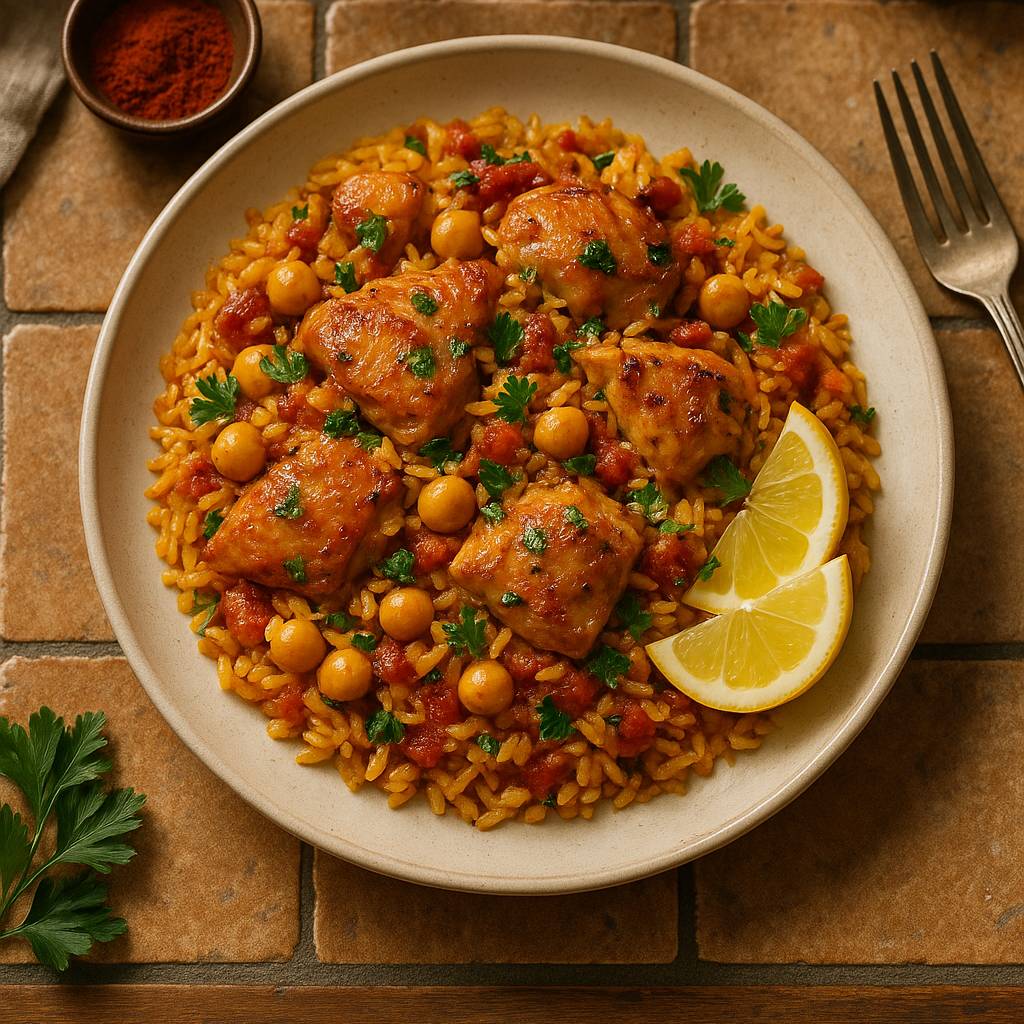
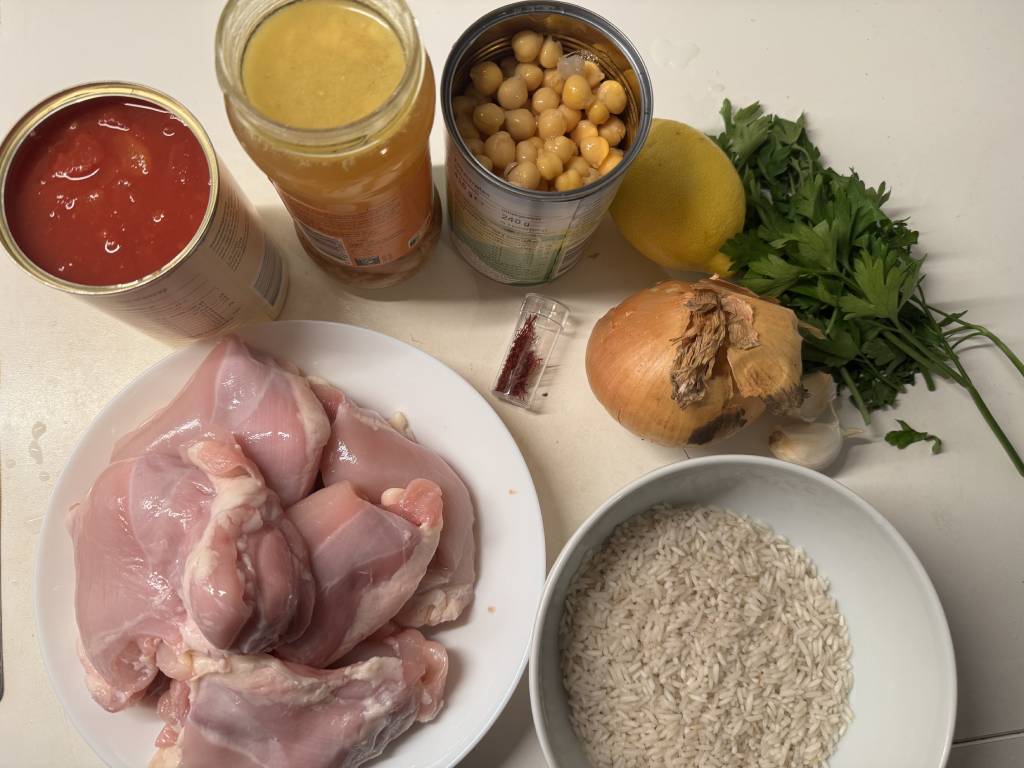
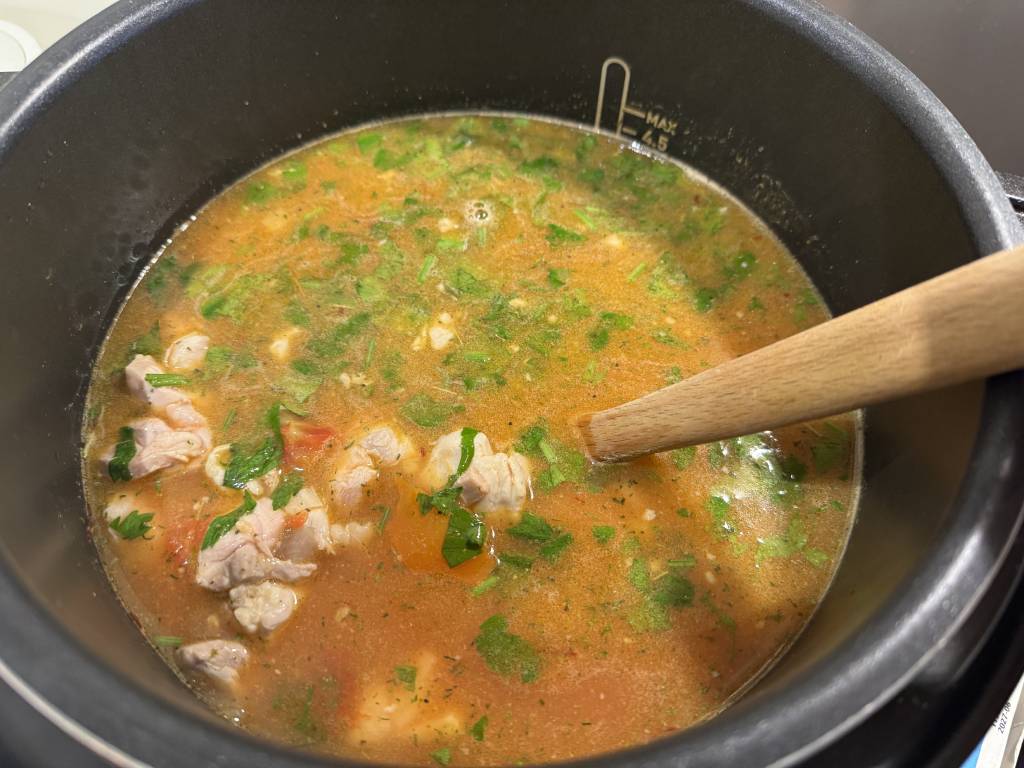
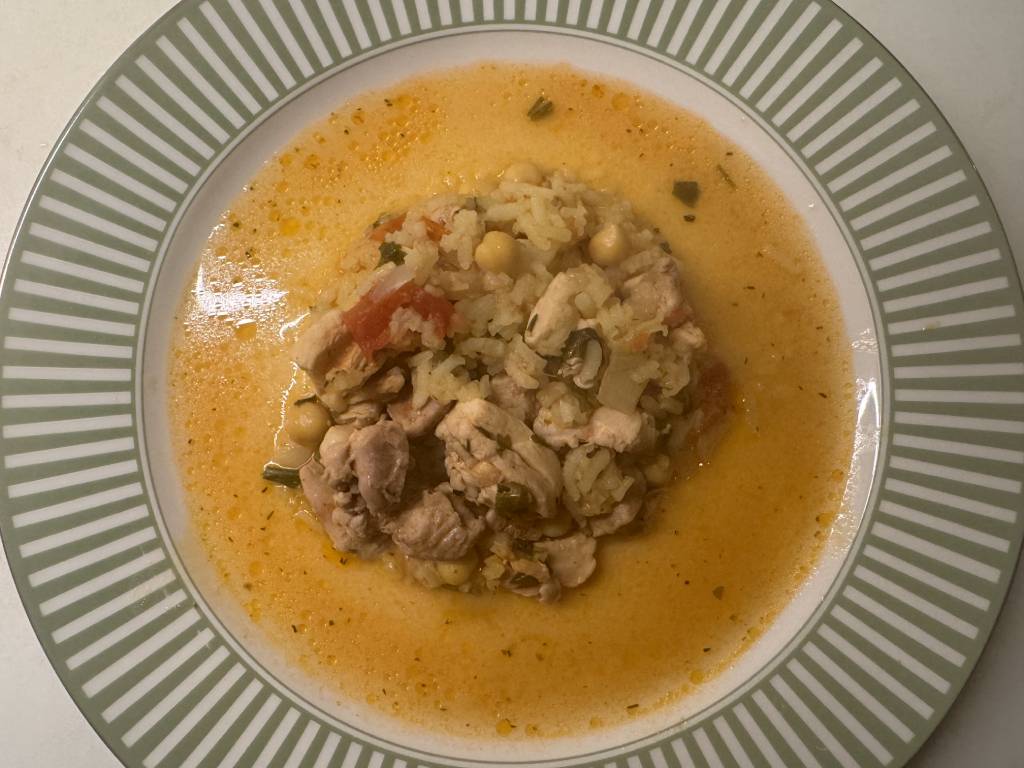
Low-sodium adapted Spanish cazuela
Stock adapted

Spanish Chicken & Chickpea Cazuela

60 min · Adapted one-pot
  • Standard chicken stock Low-sodium stock + saffron
  • Regular canned chickpeas Low-sodium chickpeas, rinsed
  • Salt-forward seasoning Smoked paprika + lemon
Building a low-sodium cazuela Adding rice to adapted cazuela Finished low-sodium Spanish cazuela

Stock, canned goods, and seasoning blends often do the quiet sodium work. Kale AI can move those choices into the adapted shopping list.

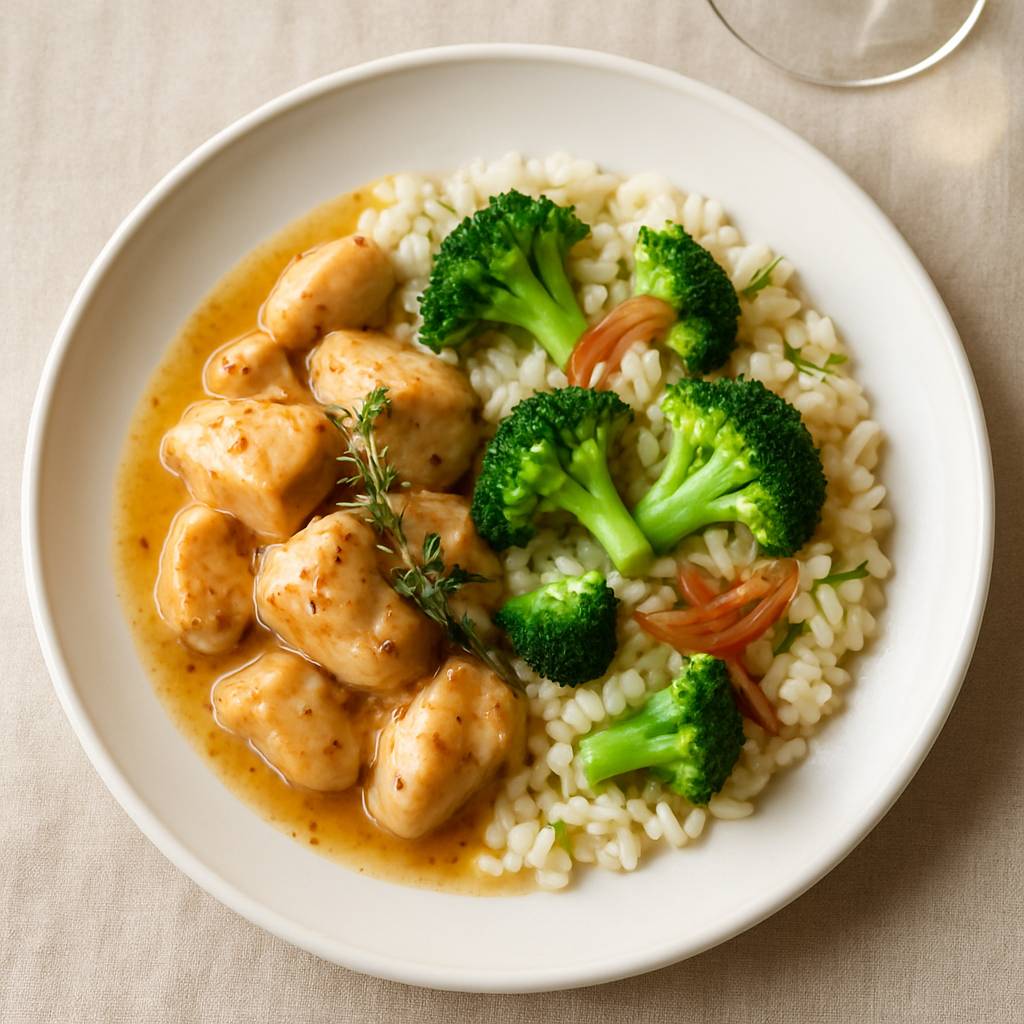
Low-sodium adapted chicken fricassee
Comfort adapted

Bright Chicken Fricassée

20 min · Adapted comfort dinner
  • Salty creamy sauce Stock reduction + Dijon + lemon
  • Plain side Herby shallot rice
  • More salt at the end Acid, aroma, crunch

Comfort food can stay comforting when the swap has a job: brightness, savoury depth, texture, or aroma.

The Kale AI way

Paste the recipe.
Keep the dinner idea.

01

Set your low-sodium preference.

Choose low-sodium in your profile, then add cuisines, ingredients you like, and any pantry items you want Kale AI to handle carefully.

02

Adapt the recipe before you shop.

Kale AI suggests swaps for sauces, stocks, seasonings, canned goods, toppings, and sides, then carries them into the shopping list.

03

Cook the adapted version.

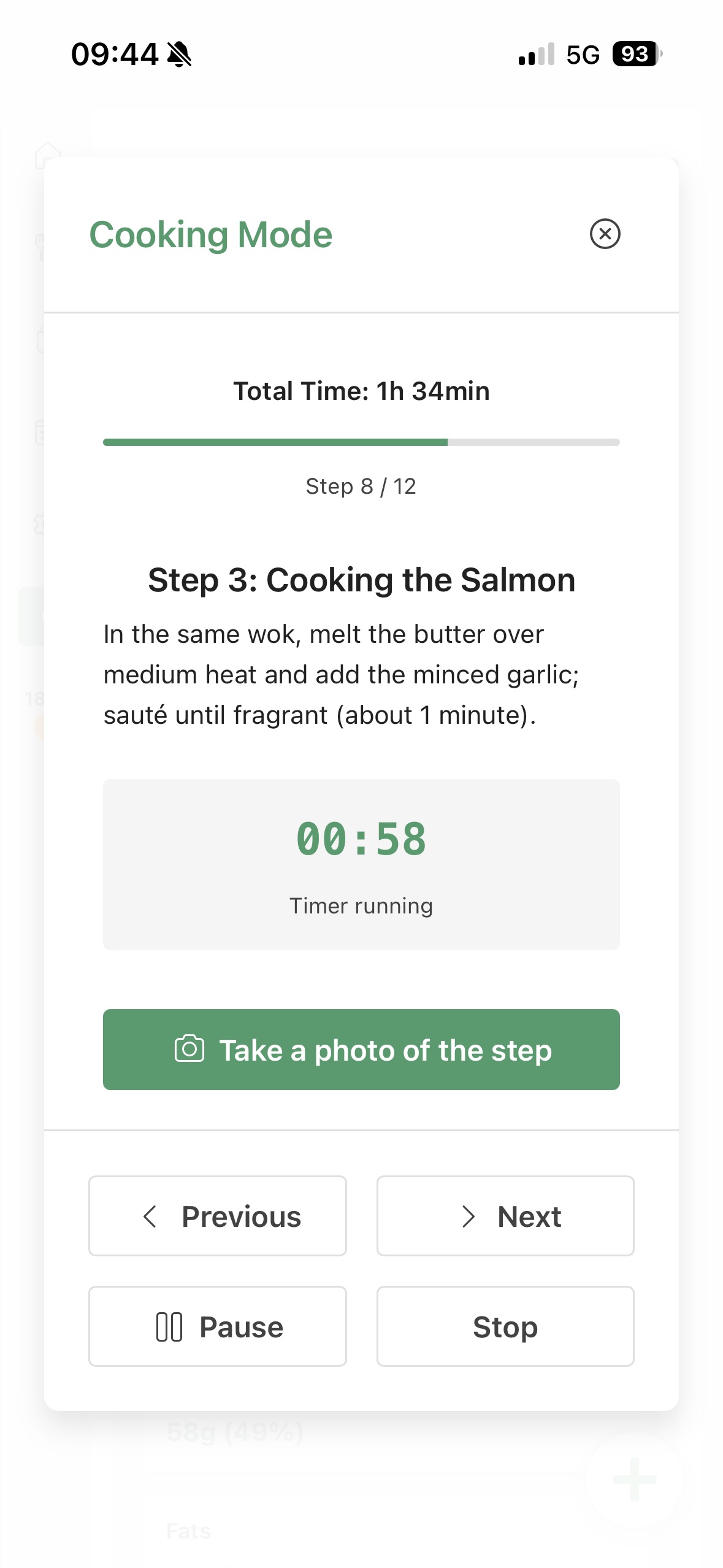
Cook Mode shows the low-sodium version in step-by-step form, so the recipe does not ask you to fix it halfway through.

Cook Mode

The adapted recipe
stays adapted.

Cook Mode keeps the swaps inside the recipe steps: the stock, sauce, seasoning, garnish, and finishing moves are already changed before the pan is hot.

Cook Mode step-by-step interface for low-sodium adapted recipes

“The strange workaround is searching for a recipe you like, then mentally rewriting every salty part. Kale AI turns that private editing job into a reusable kitchen default.”

Stop rewriting recipes
Common questions answered

Adapt low-sodium recipes,
without bland results.

How can I adapt a recipe for low-sodium eating?

Start by identifying salt-forward ingredients like sauces, stocks, canned goods, cured toppings, seasoning blends, and salty garnishes, then replace flavour with citrus, herbs, spices, aromatics, heat, and texture.

Kale AI can suggest those swaps and carry them into the shopping list and Cook Mode.

Can AI adapt recipes for a low-sodium preference?

Yes. AI can help rewrite ingredients, sauces, stocks, toppings, and cooking steps around a low-sodium preference.

Kale AI focuses on practical recipe adaptation: what changes, what stays, what to buy, and how to cook it.

What are good low-sodium flavour swaps?

Useful flavour builders include citrus, vinegar, herbs, garlic-infused oil, ginger, chilli, spices, toasted nuts, sesame, aromatics, roasting, and searing.

The best swap depends on the dish and the job the salty ingredient was doing.

How do I adapt sauces for low-sodium cooking?

Replace salt-forward bottled sauces with combinations of low-sodium alternatives, citrus, vinegar, aromatics, spices, herbs, heat, and reduced cooking juices.

Kale AI can adapt sauce logic inside the recipe rather than leaving you with a blank space.

What should change on the shopping list?

Look for low-sodium stocks, low-sodium tamari, no-salt-added or lower-sodium canned goods, herbs, citrus, spices, aromatics, unsalted nuts, vegetables, and proteins you enjoy.

Kale AI builds the list from the adapted recipes, not from a generic pantry template.

How does this differ from a low-sodium meal planner?

A low-sodium meal planner creates the week around your preference. Recipe adaptation starts with a recipe you already found and changes it to fit your profile.

Kale AI can help with both jobs: planning from scratch or adapting what you already want to cook.

References for smarter defaults

Hard numbers help.
So do better swaps.

Kale AI is a food planning and cooking app, not an advice product. These public references provide context for why sauce, stock, canned goods, and shopping-list defaults matter.

Original adaptation note: The most common high-sodium swap in our recipe adaptation examples is soy sauce → low-sodium tamari.

2,300 mg

Daily sodium limit used in U.S. dietary guidance

The Dietary Guidelines for Americans recommend limiting sodium intake to less than 2,300 mg per day for people aged 14 years and older.

Dietary Guidelines for Americans, 2020–2025

2 g sodium

WHO benchmark for adult sodium intake

The World Health Organization recommends adults consume less than 2 grams of sodium per day, equivalent to less than 5 grams of salt per day.

World Health Organization sodium fact sheet

Start adapting recipes around your low-sodium preference.

No credit card. No sign-in required. Set your profile once and let recipes, shopping lists, and Cook Mode follow it.

QR code to download Kale AI Scan to download

Available on iOS and Android · Kale AI · Good Kitchen Vibes