



Low-sodium meal planner

Low-sodium meal planning
that still feels like dinner.

Less label-checking. More flavour-first defaults.

Set your low-sodium preference once. Kale AI plans your week, adapts recipes, builds your shopping list, and guides you through cooking with swaps that keep dinner interesting.

Low-sodium Flavour-first swaps Weekly dinners Shopping list Cook Mode Kale Diary
The old way

Most recipes make you
do the editing yourself.

You find a good recipe, then start negotiating with it.

Sauce, stock, seasoning, toppings — suddenly dinner is homework.

The “healthy” option is often the boring option.

Kale AI starts from flavour, then changes the fit.

The shopping list forgets your rules.

Your food profile becomes the default for the plan and the groceries.

Kale Diary · Free companion tool

Not sure what your food defaults should be yet?

Notice your patterns first. Then plan around them.

Before you build a food profile, it helps to see what already repeats. Kale Diary is a free companion tool — log what you ate, note how the day felt, and let it surface patterns automatically. No barcodes. No database. As fast as a text message.

After a few days, Kale Diary can make repeated ingredients and meals easier to spot. That gives you better defaults for how you want to plan dinner.

Once you know what you want more of, less of, or simply want to avoid repeating, Kale AI turns those preferences into a week of meals.

Kale Diary → notice patterns. Kale AI → plan low-sodium dinners around them.

Try Kale Diary free Web-based · Works offline · Your data stays on your device
Recipe adaptation examples

Keep the dish.
Change the default.

Low-sodium planning gets easier when the swaps are built into the recipe instead of left to you at 6pm.

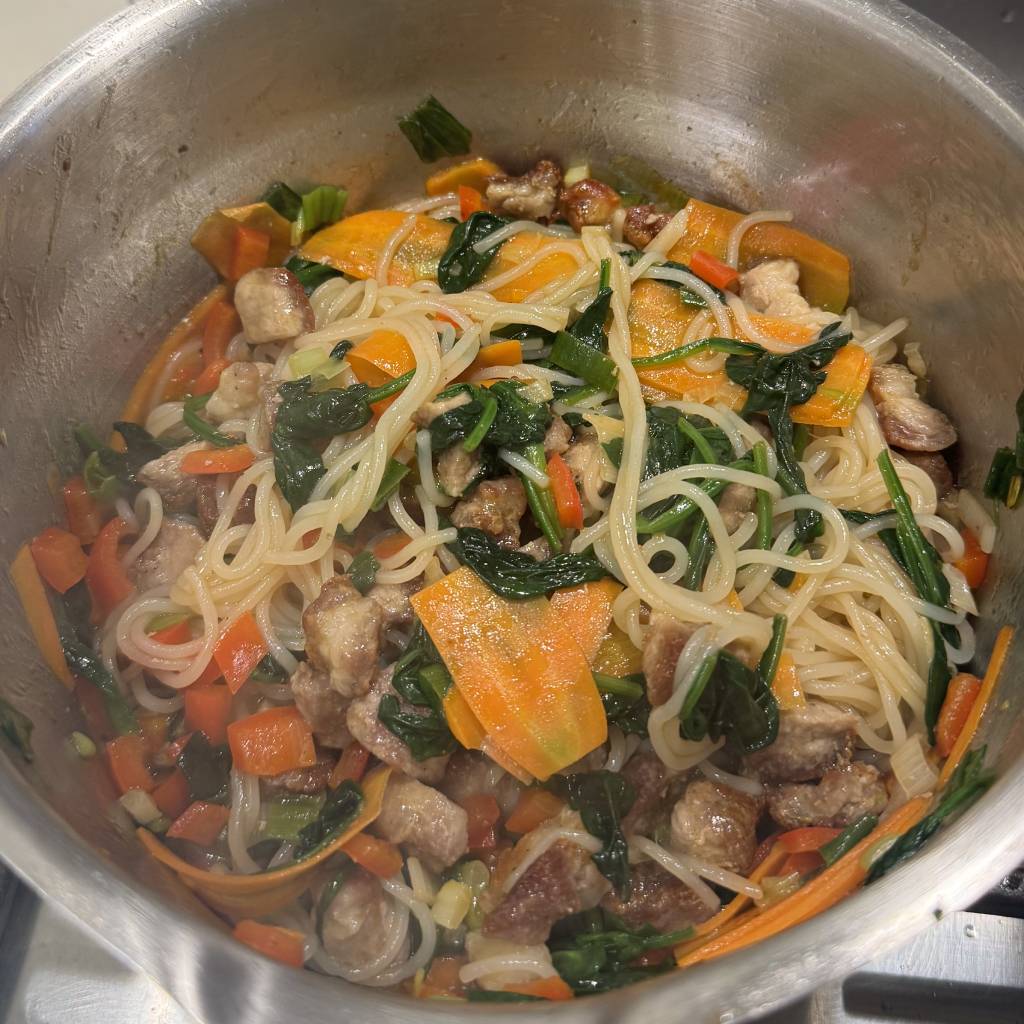
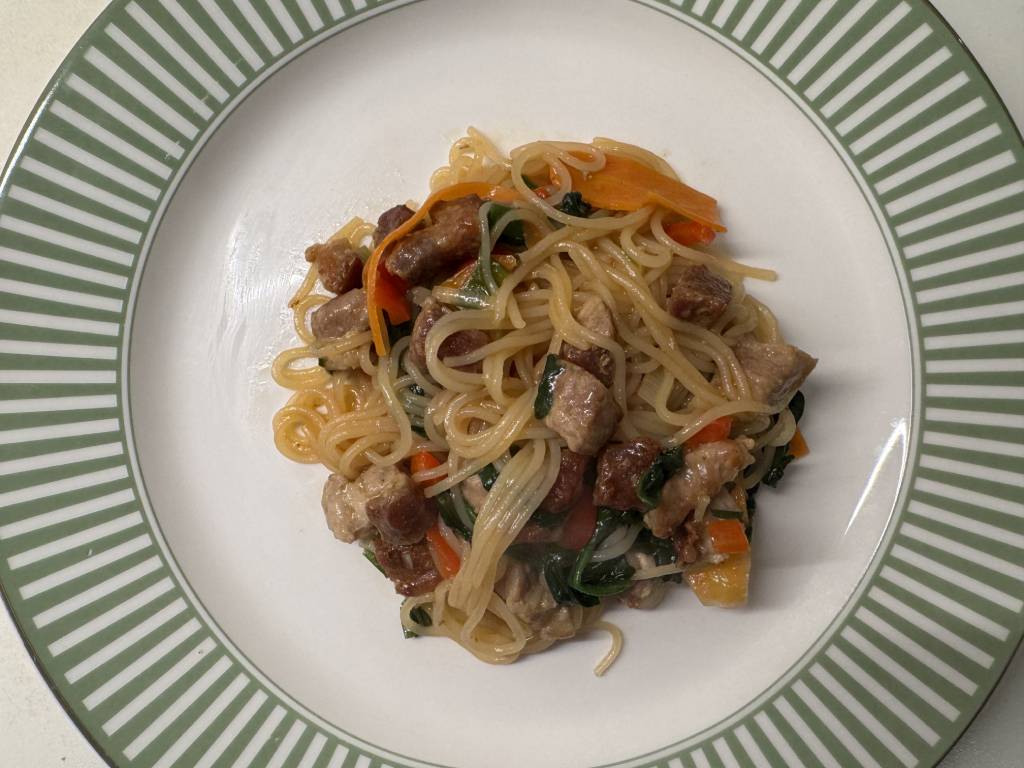
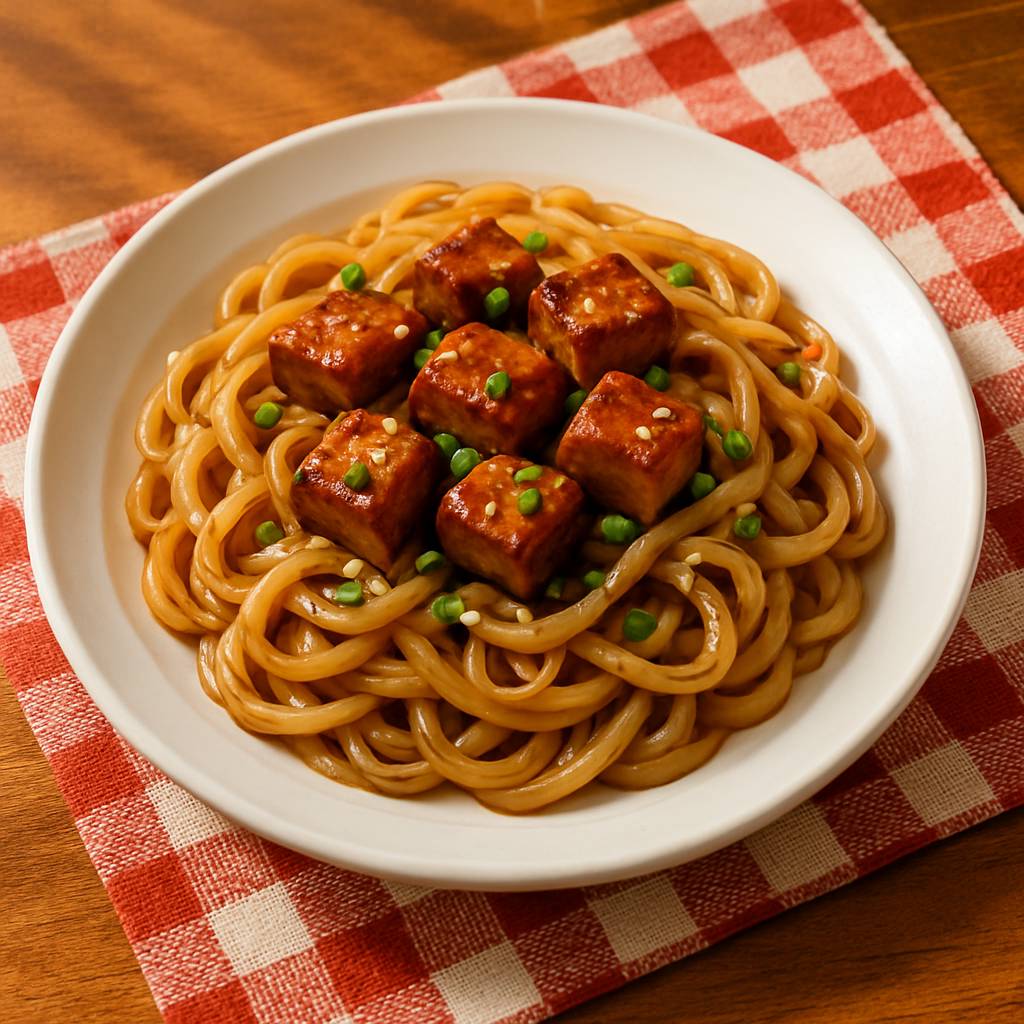
Low-sodium pork and rice noodle skillet
Low-sodium swap

Pork & Rice Noodle Skillet

30 min · Weeknight dinner
  • Regular soy sauce Low-sodium tamari + orange
  • Bottled stir-fry sauce Ginger, garlic, citrus glaze
  • Salted garnish Fresh herbs + toasted sesame
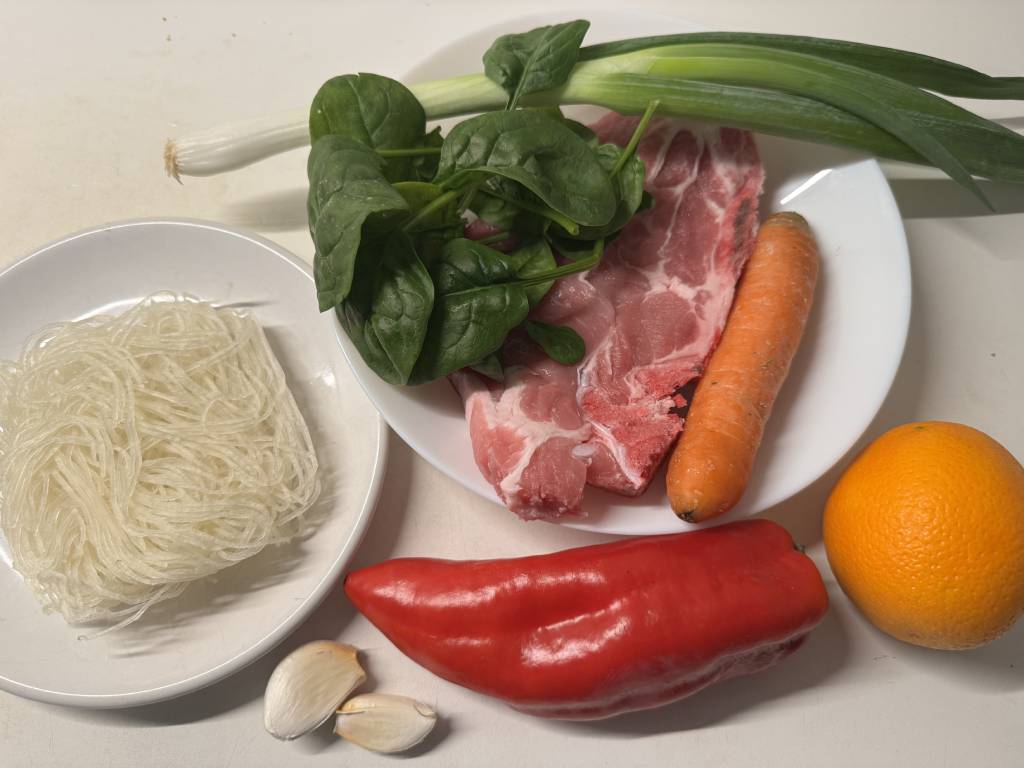
Searing pork for a low-sodium skillet Building a citrus ginger sauce Finished low-sodium noodle skillet

The point is not to remove the best part of the dish. Kale AI looks for flavour builders — citrus, aromatics, heat, herbs, texture — so the recipe still feels like something you wanted to eat.
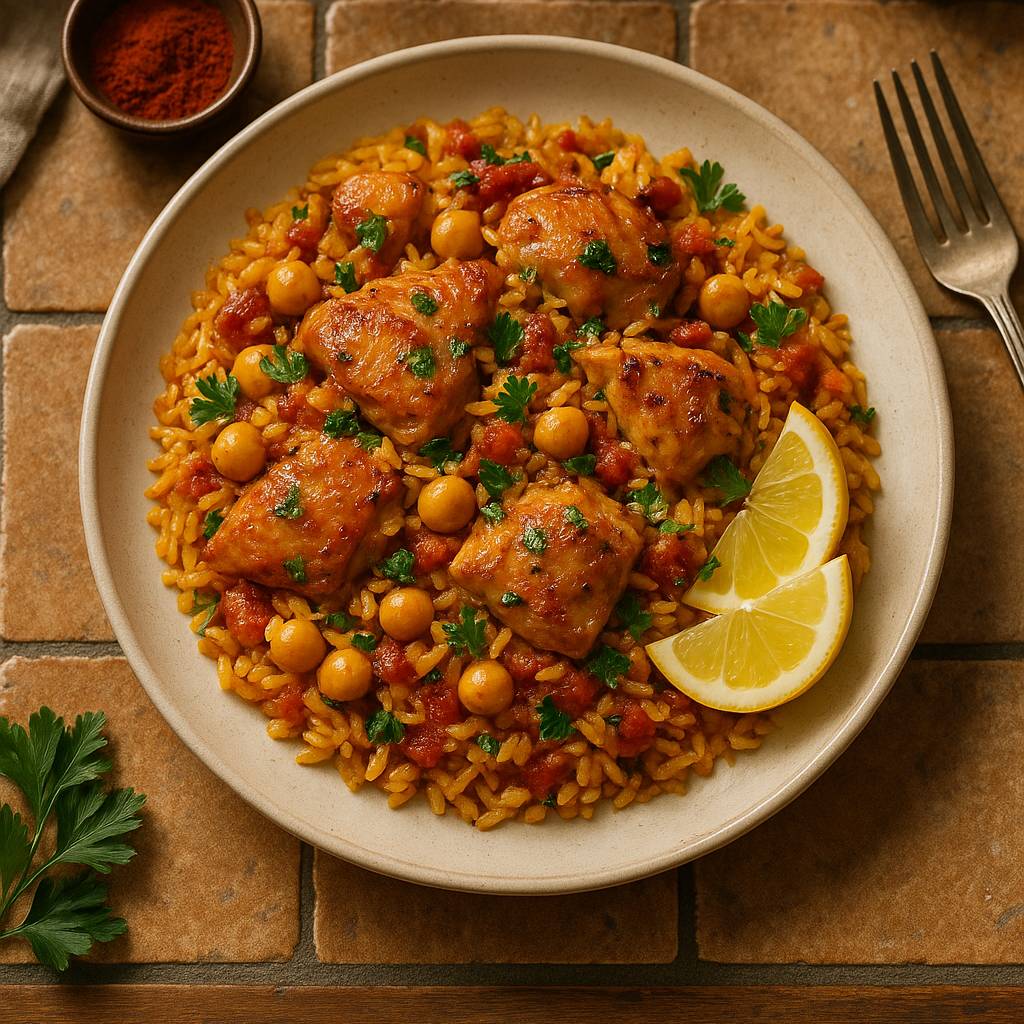
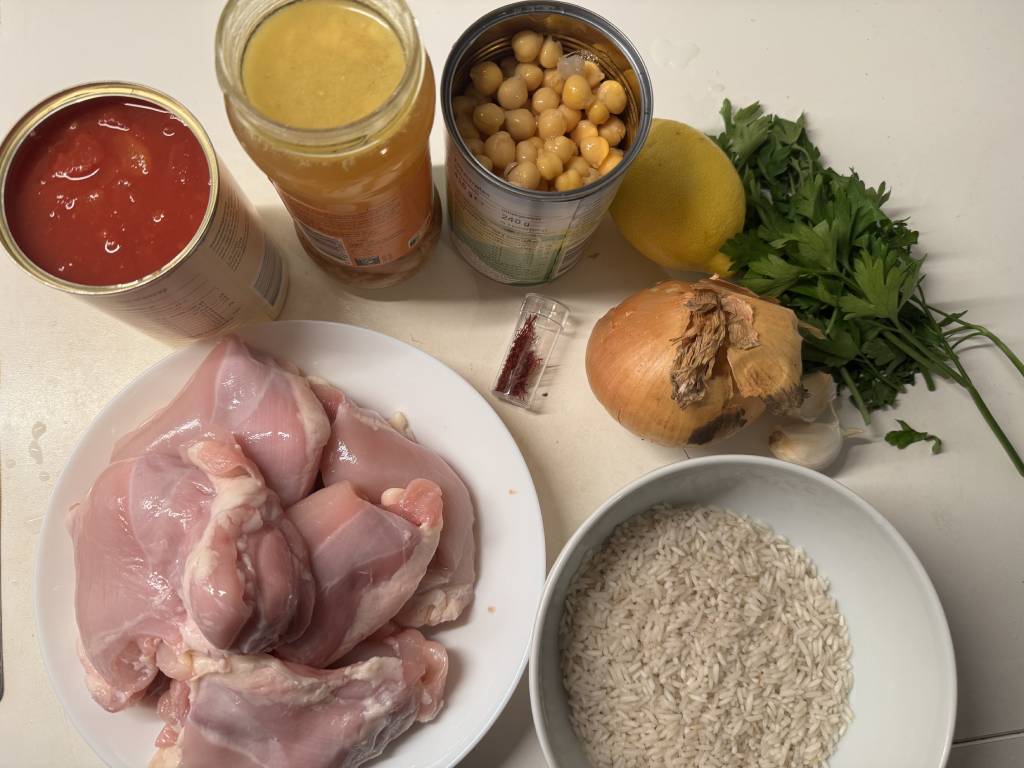
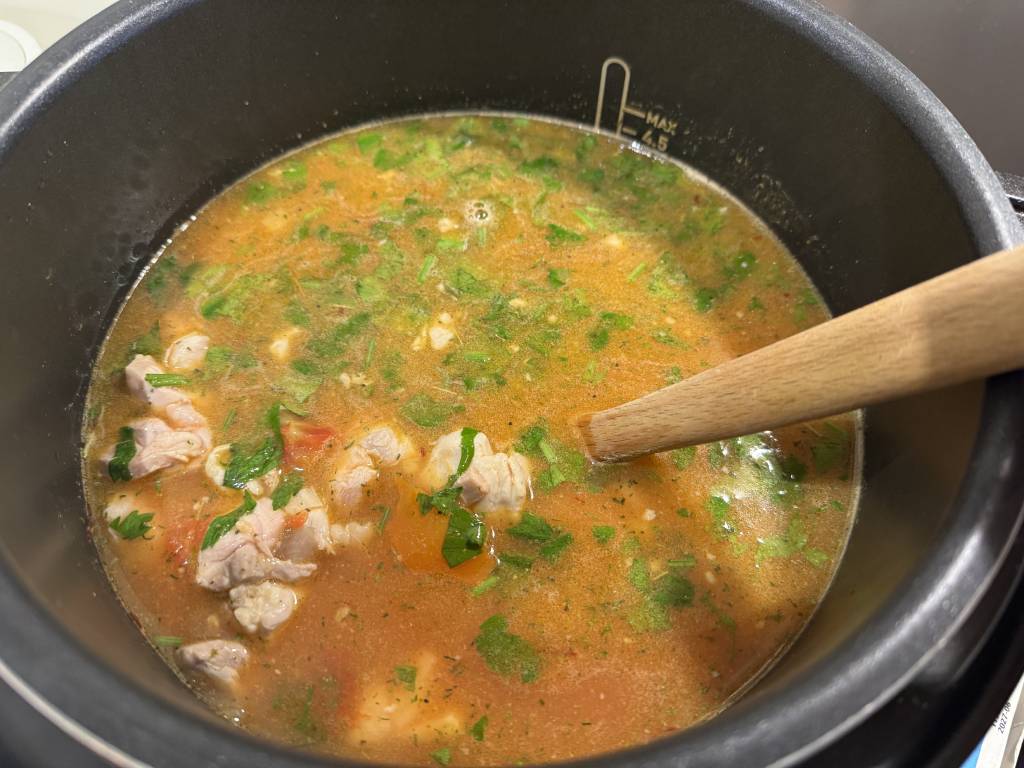
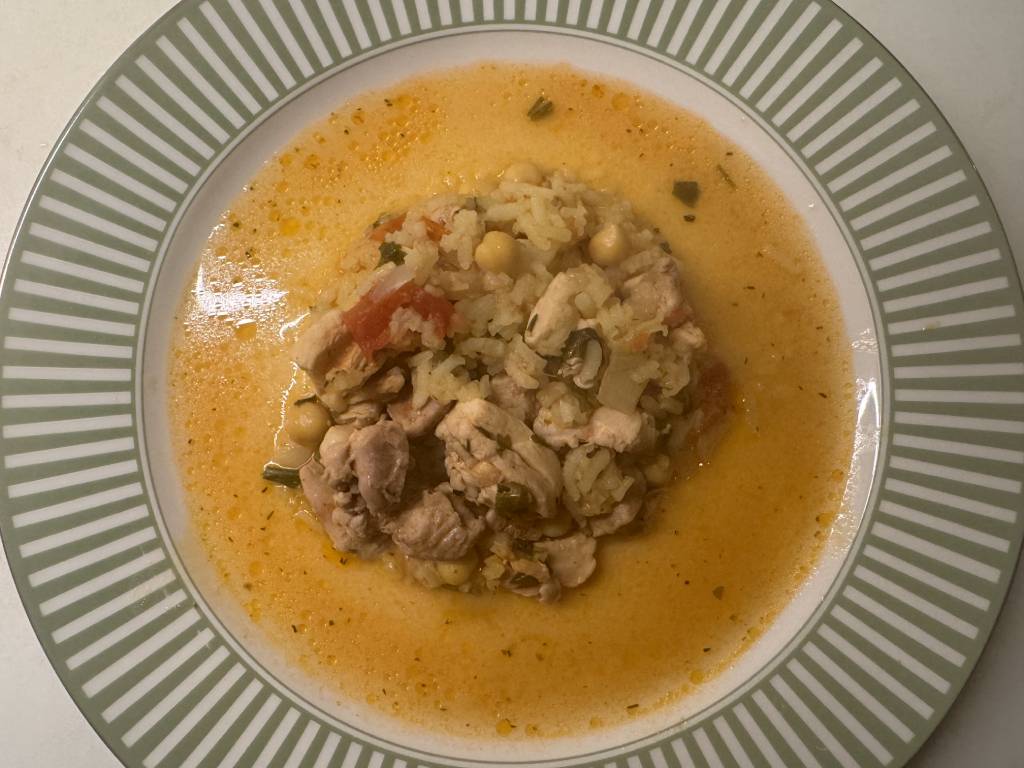
Low-sodium Spanish chicken and chickpea cazuela
Shopping-list smart

Spanish Chicken & Chickpea Cazuela

60 min · One-pot dinner
  • Regular canned chickpeas Low-sodium chickpeas, rinsed
  • Standard chicken stock Low-sodium stock + saffron
  • Salt-forward seasoning Smoked paprika + lemon
Building a smoky low-sodium cazuela Adding rice to the cazuela Finished Spanish chicken cazuela

The shopping list matters as much as the recipe. Kale AI can carry your low-sodium preference into pantry items, stocks, canned goods, sauces, and toppings.

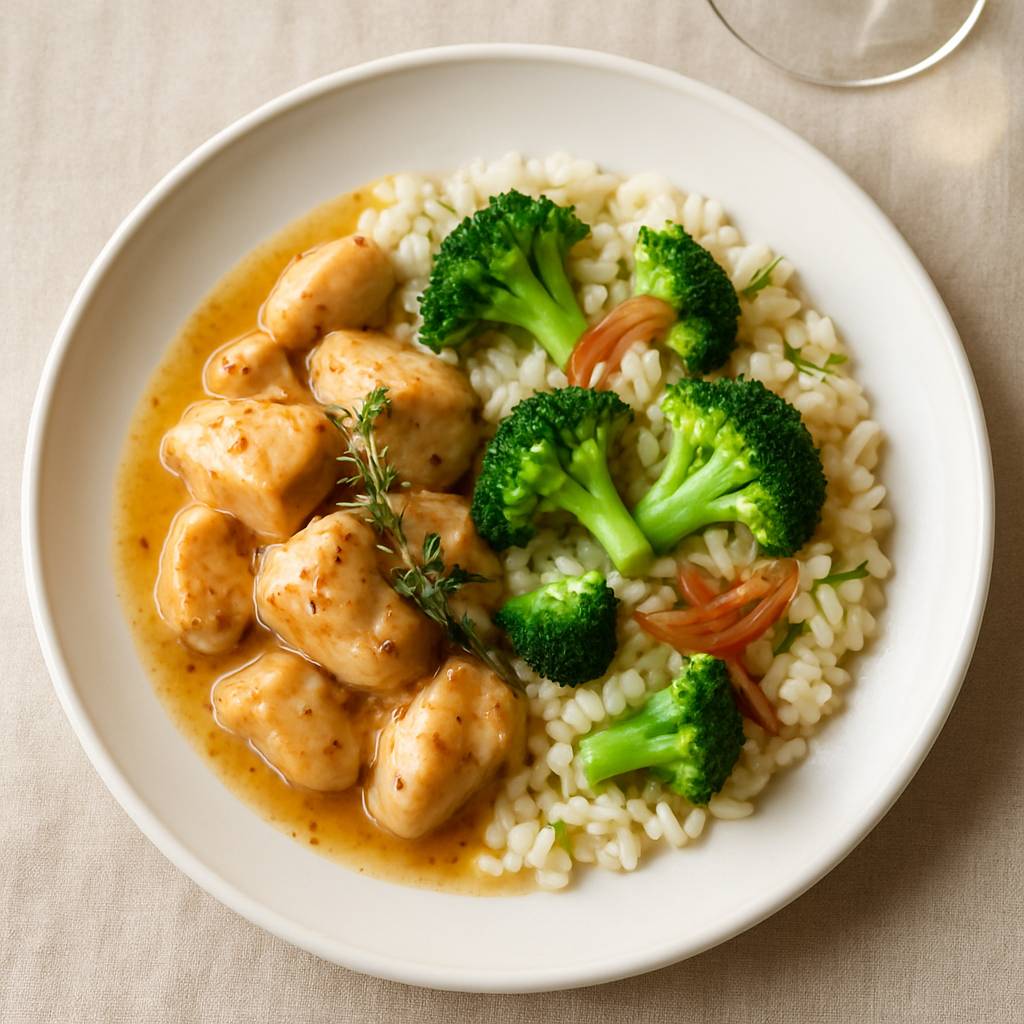
Chicken fricassee adapted for a low-sodium preference
Comfort food adapted

Chicken Fricassée with Bright Dijon Sauce

20 min · Comfort dinner
  • Heavy salty sauce Stock reduction + Dijon + lemon
  • Plain side Shallot rice with herbs
  • More salt at the end Acid, aroma, and texture

Comfort food does not have to disappear because your defaults changed. Kale AI keeps the dinner idea, then adjusts the details that make it fit your profile.

The Kale AI way

Set the rule once.
Let dinner follow it.

01

Create your food profile.

Choose low-sodium as a preference, then add cooking time, cuisines, ingredients you like, and anything you want your dinners to avoid.

02

Get a week that already knows your defaults.

Kale AI builds meals, recipe swaps, and a shopping list around your profile so you do not start from a blank page every night.

03

Cook without reopening the debate.

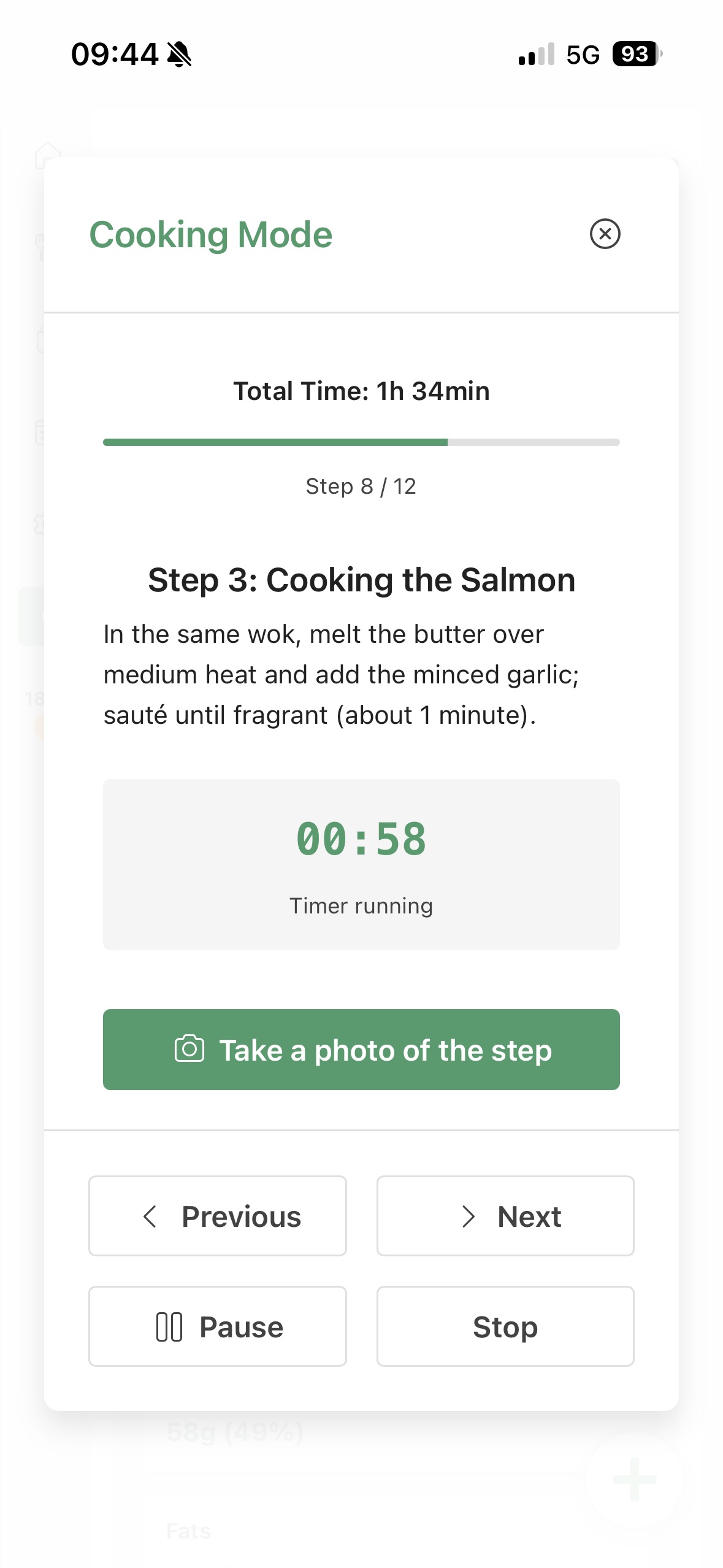
Cook Mode gives you step-by-step guidance with the adaptations already included. The recipe is not asking you to fix it halfway through.

Cook Mode

The plan becomes
dinner.

A meal plan is only useful if it survives the kitchen. Cook Mode turns adapted recipes into big readable steps with built-in timers, so you can cook the low-sodium version without juggling five tabs.

Cook Mode step-by-step interface for adapted recipes

“Low-sodium should not mean low-imagination. The trick is to stop treating every recipe like a negotiation and start from dinner defaults that already know how you want to eat.”

Flavour-first defaults
Common questions answered

Low-sodium meal planning,
without the lecture.

What is the easiest way to plan low-sodium meals?

Set your low-sodium preference once, then reuse it as a default for meal plans, recipe swaps, shopping lists, and cooking steps.

Kale AI turns that default into a week of dinners so you are not checking every sauce, stock, seasoning, and topping from scratch.

How do I make low-sodium dinners taste good?

Use flavour builders that are not just salt: citrus, herbs, garlic-infused oil, vinegar, spices, aromatics, roasting, searing, and texture.

Kale AI can suggest swaps that keep the dish interesting instead of simply taking things away.

Can AI adapt recipes for a low-sodium preference?

Yes. AI can help rewrite ingredients, sauces, stocks, toppings, and cooking steps around a low-sodium preference.

Kale AI is built for the practical version of that job: planning the week, adapting the recipes, creating the shopping list, and guiding the cooking.

What should be on a low-sodium shopping list?

Useful staples include low-sodium stocks, low-sodium tamari, citrus, vinegar, herbs, spices, aromatics, unsalted nuts, beans, grains, vegetables, and proteins you enjoy.

The best list depends on what you actually like to cook. Kale AI builds the list from your chosen dinners, not from a generic pantry template.

How do I avoid boring low-sodium meals?

Keep the cuisine, texture, heat, freshness, and cooking technique interesting. Change the defaults, not the pleasure of dinner.

A smoky stew, citrusy noodle bowl, herby chicken dinner, or bright grain bowl can all fit a low-sodium preference when the recipe is adapted with flavour in mind.

References for smarter defaults

Hard numbers help.
So does a better dinner plan.

Kale AI is a food planning and cooking app, not an advice tool. These public nutrition references are useful context for why many people choose a lower-sodium preference and why planning ahead can make that preference easier to follow.

Original recipe-library note: The most common high-sodium swap in our recipe adaptation examples is soy sauce → low-sodium tamari.

2,300 mg

Daily sodium limit used in U.S. dietary guidance

The Dietary Guidelines for Americans recommend limiting sodium intake to less than 2,300 mg per day for people aged 14 years and older.

Dietary Guidelines for Americans, 2020–2025

2 g sodium

WHO benchmark for adult sodium intake

The World Health Organization recommends adults consume less than 2 grams of sodium per day, equivalent to less than 5 grams of salt per day.

World Health Organization sodium fact sheet

Start your low-sodium week with dinners already adapted for you.

No credit card. No sign-in required. Set your food profile once and let the week follow it.

QR code to download Kale AI Scan to download

Available on iOS and Android · Kale AI · Good Kitchen Vibes