



Balanced meal planner

Balanced meal planning
without overthinking dinner.

Turn “eat better” into concrete dinner defaults.

Set your balanced-eating intention once. Kale AI plans dinners, adapts recipes, builds shopping lists, and guides cooking around your preferred mix of protein, vegetables, grains, flavour, time, and routine.

Balanced dinners Food defaults Weekly plan Shopping list Cook Mode Kale Diary
The old way

“Balanced” is a nice idea.
It is not a dinner plan.

You know the intention, but still have to decide the protein, veg, carb, sauce, and timing every night.

Kale AI turns the intention into reusable dinner defaults.

Generic plans often ignore taste and routine.

Your profile can include cuisines, cooking time, ingredients, and the kind of week you are actually having.

The shopping list needs to make balance easy.

Proteins, vegetables, grains, legumes, sauces, snacks, and flexible staples can be planned together.

Kale Diary · Free companion tool

Not sure what balance looks like in your real week?

Notice your patterns first. Then plan around them.

Before you set dinner defaults, it helps to see what already repeats. Kale Diary is a free companion tool — log what you ate, note how the day felt, and let repeated meals and ingredients become easier to notice. No barcodes. No database. As fast as a text message.

After a few days, Kale Diary can help you spot the meals, pantry habits, and food routines that keep showing up in your notes.

Once you know what you want your kitchen profile to remember, Kale AI turns those preferences into meals, swaps, groceries, and cooking steps.

Kale Diary → notice patterns. Kale AI → turn them into balanced dinner defaults.

Try Kale Diary free Web-based · Works offline · Your data stays on your device
Recipe adaptation examples

Balance is easier
when each part has a job.

A balanced dinner does not need to be perfect. It needs a practical rhythm: protein, plants, satisfying base, sauce, texture, and a shopping list that remembers it.

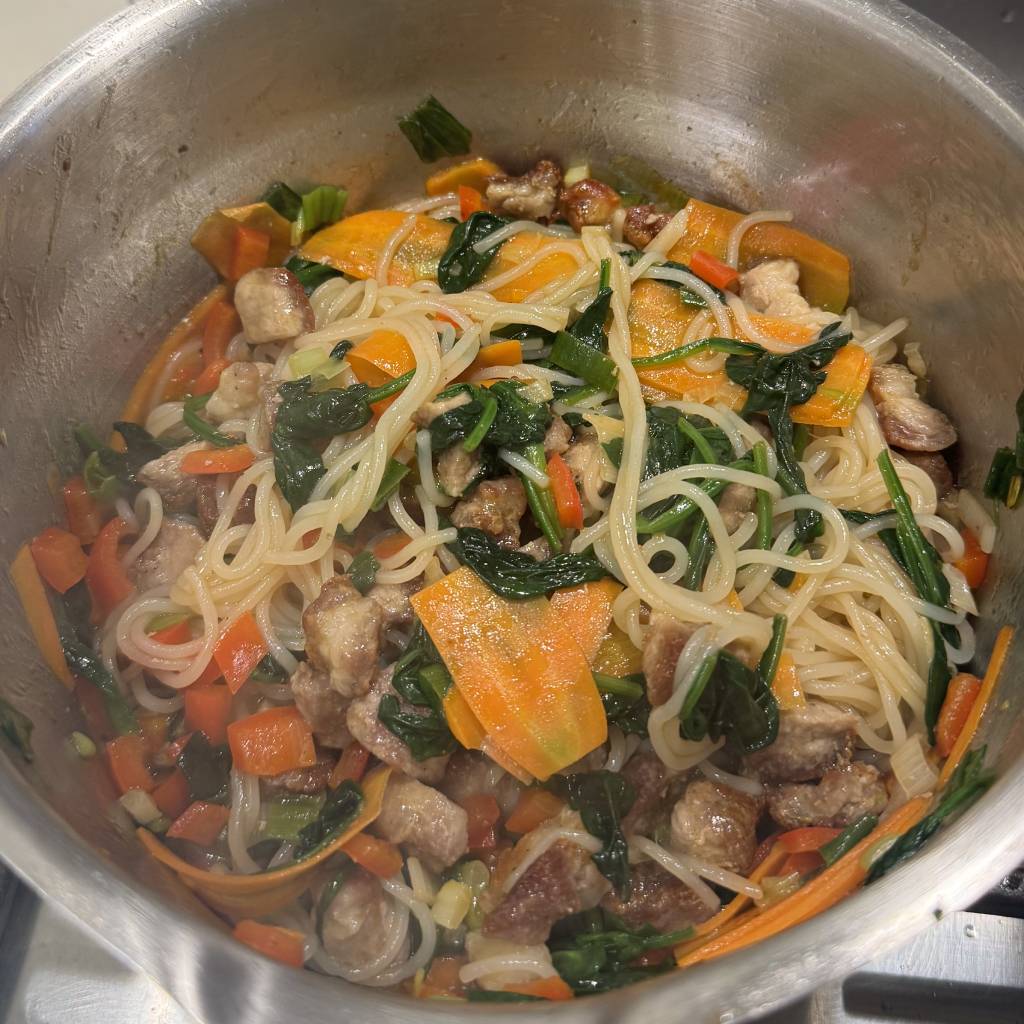
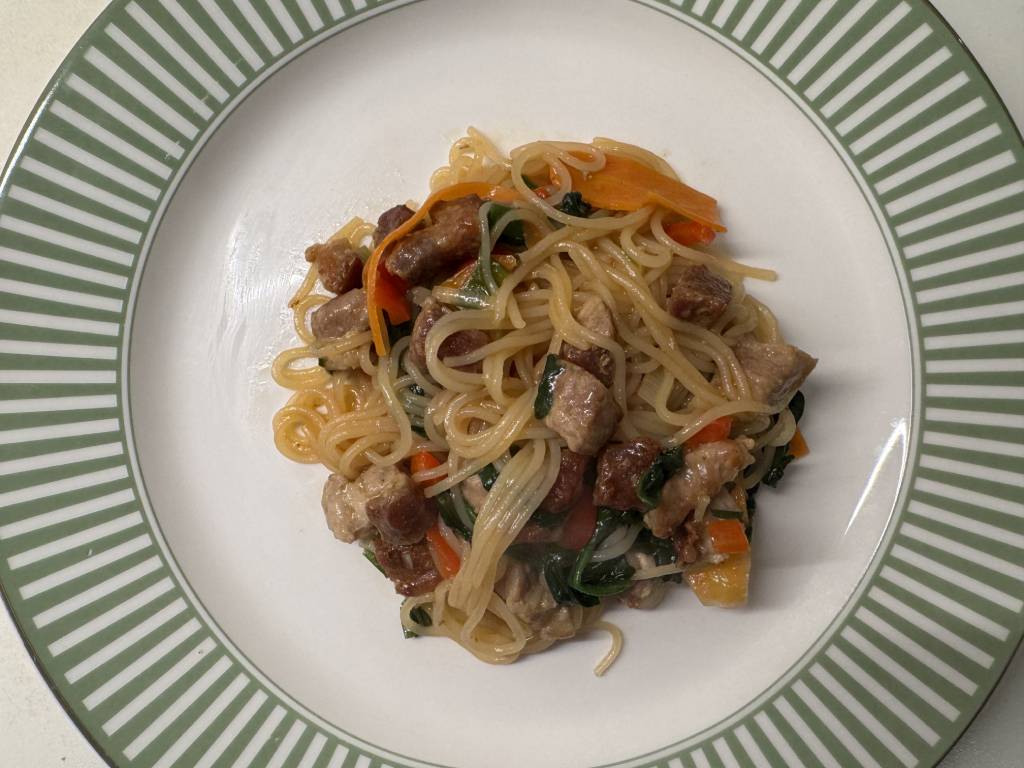
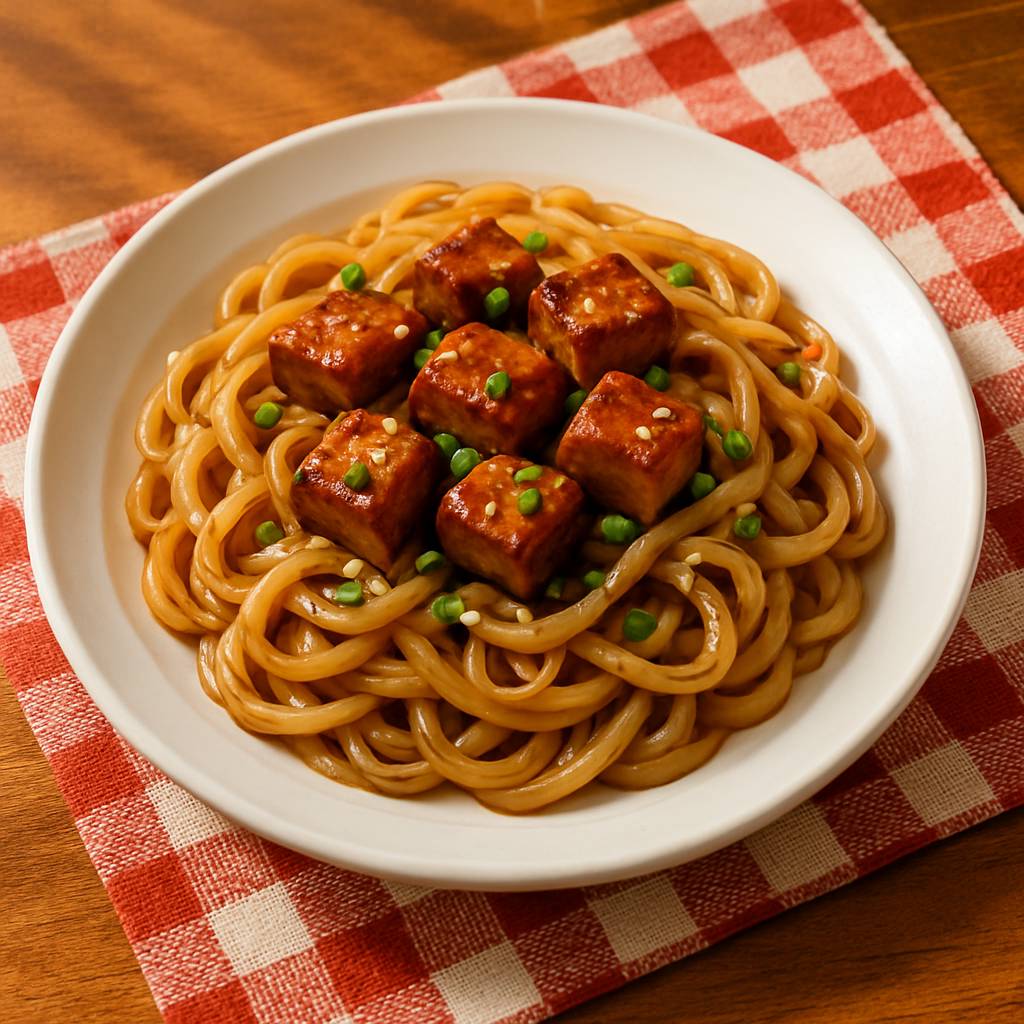
Balanced noodle skillet with protein and vegetables
Plate balanced

Protein & Vegetable Noodle Skillet

30 min · Weeknight dinner
  • Mostly noodles Noodles + protein + crisp vegetables
  • Flat bottled sauce Ginger, citrus, tamari, herbs
  • No side plan Greens, seeds, or bean side if chosen
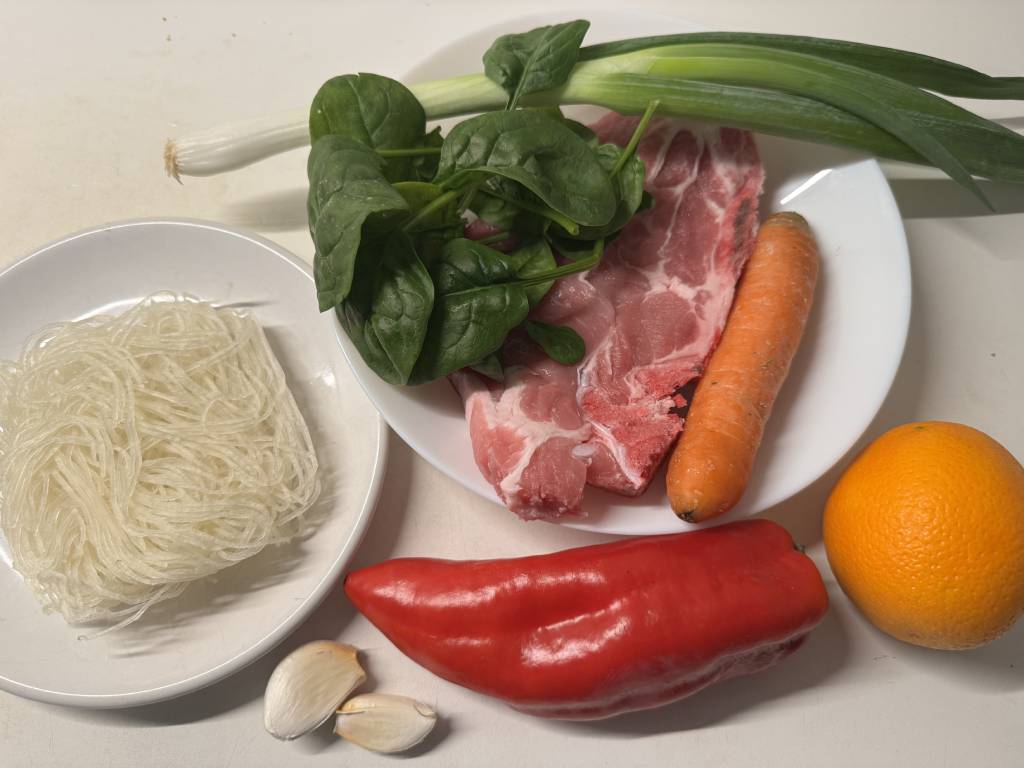
Searing protein for a balanced skillet Building sauce for a balanced dinner Finished balanced noodle skillet

Kale AI can rebalance a familiar dinner without making it feel like a different meal. The goal is a better rhythm, not a lecture.

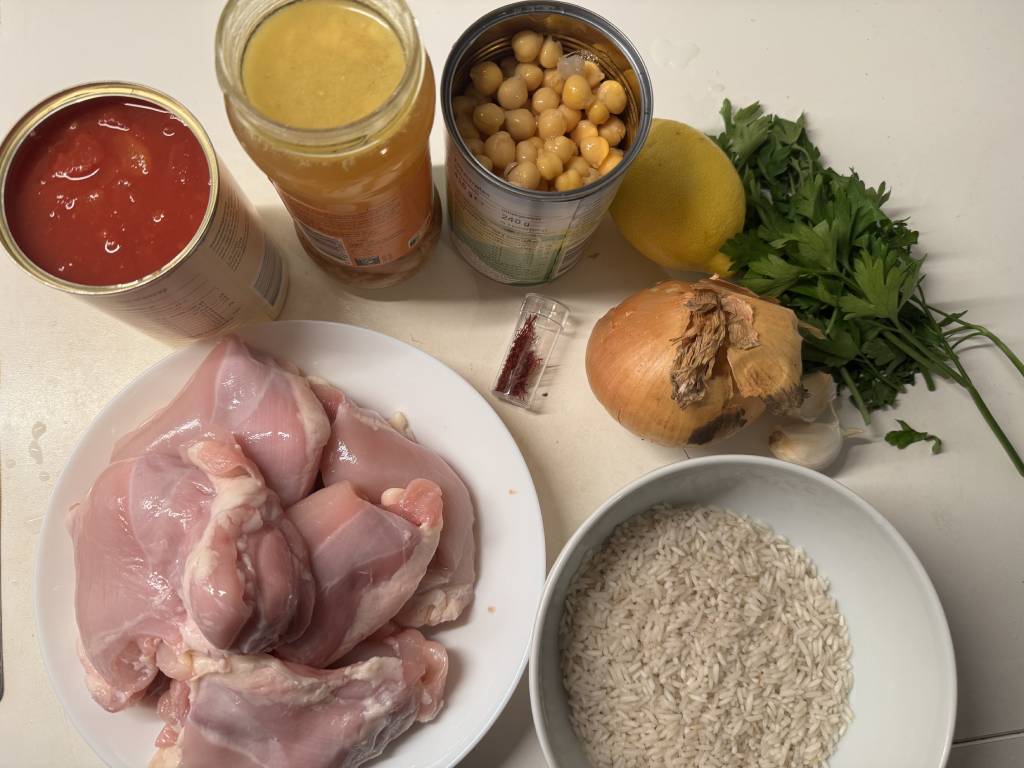
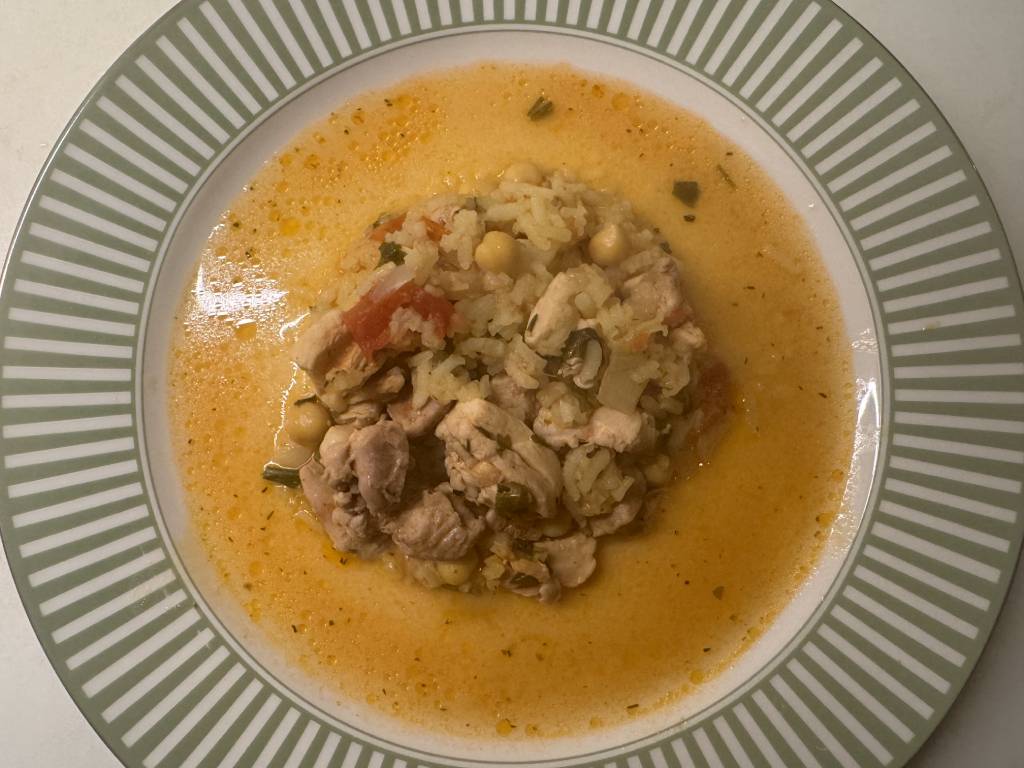
Balanced chicken rice and vegetable cazuela
One-pot rhythm

Chicken, Rice & Pepper Cazuela

60 min · One-pot dinner
  • Starch-heavy one-pot Protein + rice + vegetables
  • No freshness Lemon, herbs, salad
  • No legume option Chickpeas or beans if chosen
Building a balanced cazuela Adding rice to a balanced one-pot dinner Finished balanced chicken cazuela

Balanced planning can be quiet: more vegetables in the pot, a protein default, a useful grain, and a fresh finish.

Balanced chicken dinner with vegetables and rice
Comfort balanced

Lemon Chicken with Broccoli Rice

20 min · Comfort dinner
  • Sauce-led plate Protein + vegetables + sauce
  • Plain side Broccoli, herbs, rice
  • No texture Seeds, greens, or crisp topping

A comfort dinner can still be balanced. Kale AI can keep sauce, warmth, and familiarity while giving the plate more structure.

The Kale AI way

Set your dinner defaults.
Let the week get clearer.

01

Create your balanced food profile.

Choose balanced eating as an intention, then add cooking time, cuisines, ingredients you like, portion preferences, and food rules you want remembered.

02

Get a week with structure.

Kale AI plans dinners and shopping lists around protein, plants, grains, sauces, texture, and practical timing.

03

Cook without re-deciding everything.

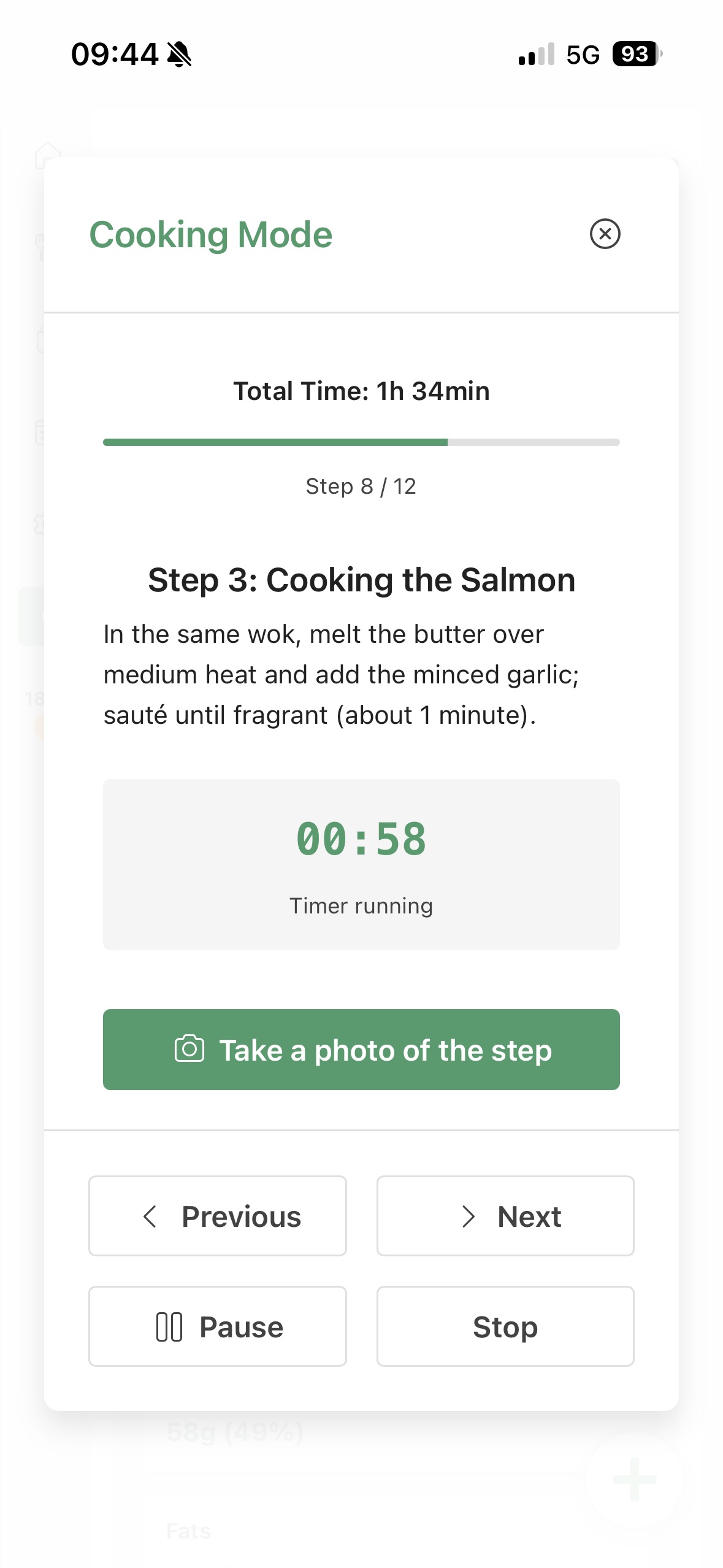
Cook Mode turns the plan into step-by-step instructions so the balanced defaults stay in the recipe.

Cook Mode

The balanced plan
makes it to the plate.

Cook Mode keeps the protein, vegetables, sides, sauce, and timing together in clear steps, so dinner does not rely on memory after a long day.

Cook Mode step-by-step interface for balanced dinners

“Balanced eating becomes easier when it stops being an aspiration and starts being a default: what goes in the pan, what goes on the side, and what goes on the shopping list.”

Dinner defaults, not dinner debates
Common questions answered

Balanced meal planning,
without overthinking.

What is the easiest way to plan balanced meals?

Set a few reusable dinner defaults: protein, vegetables, satisfying base, sauce, cooking time, and foods you want your plan to remember.

Kale AI turns those defaults into weekly dinners, groceries, and cooking steps.

What should a balanced dinner include?

A practical balanced dinner often includes protein, vegetables or plants, a satisfying base, flavour, texture, and a portion rhythm that fits your goal.

The exact mix depends on your profile and preferences.

Can AI help plan balanced dinners?

Yes. AI can help turn broad intentions into meals, recipe adaptations, shopping lists, and step-by-step cooking.

Kale AI focuses on practical food planning rather than generic advice.

What should be on a balanced shopping list?

Useful staples include proteins, vegetables, fruits, grains, legumes, herbs, spices, sauces, nuts, seeds, and pantry items that support your usual dinners.

Kale AI builds the list from the meals you plan to cook.

How do I avoid overthinking balanced eating?

Use defaults instead of fresh decisions: repeat useful bases, rotate proteins, keep vegetables easy, and let sauces change the mood.

Kale AI helps set those defaults once and reuse them across the week.

How does Kale Diary help with balanced meal planning?

Kale Diary helps you notice repeated meal patterns before you decide what balance should mean in your real routine.

Then Kale AI turns those patterns into practical dinner defaults.

References for smarter defaults

Useful context,
practical dinner rhythm.

Kale AI is a food planning and cooking app, not an advice product. These public references provide context for building varied, practical meals.

Original planning note: Across our balanced planning examples, the recurring defaults are protein-forward mains, vegetable sides, satisfying grains, bright sauces, and grocery lists grouped by dinner role.

5 groups

MyPlate uses five food groups as a planning model

USDA MyPlate presents fruits, vegetables, grains, protein foods, and dairy as a simple food-group model that can help people think about meal structure.

USDA MyPlate

Variety

Public guidance emphasizes variety across food groups

The Dietary Guidelines for Americans emphasize varied food choices across food groups, which is useful context for weekly dinner planning.

Dietary Guidelines for Americans, 2020–2025

Database

Food composition data supports practical comparisons

USDA FoodData Central provides public food composition data for ingredients and staples used when building meal plans.

USDA FoodData Central

Start your balanced week with dinners that already know your defaults.

No credit card. No sign-in required. Set your profile once and let the plan, shopping list, and Cook Mode follow it.

QR code to download Kale AI Scan to download

Available on iOS and Android · Kale AI · Good Kitchen Vibes