



Adapt recipes without gluten

Adapt recipes without gluten
without changing the whole dinner.

Keep the dish idea. Swap the friction points.

Paste or choose a recipe, set your gluten-free preference, and let Kale AI suggest practical swaps for pasta, noodles, flour, breadcrumbs, sauces, sides, shopping lists, and Cook Mode steps.

Gluten-free swaps Recipe adaptation Pasta swaps Sauces Shopping list Cook Mode
The old way

The gluten is often hiding
in the useful bit.

Pasta, noodles, flour, breadcrumbs, soy sauce, coatings, and sides all need a second look.

Kale AI can turn those checks into repeatable adaptation defaults.

A swap can change the texture of the whole dish.

The best adaptation preserves the dinner idea: chew, sauce, crunch, structure, and cooking time.

The shopping list needs to match the adapted recipe.

Rice noodles, corn tortillas, polenta, potatoes, gluten-free tamari, and chosen pantry staples can be built into the list.

Kale Diary · Free companion tool

Not sure which gluten defaults repeat?

Notice your patterns first. Then adapt around them.

Before you decide what a recipe should avoid or include, it helps to notice what already repeats. Kale Diary is a free companion tool — log what you ate, note how the day felt, and let repeated meals and ingredients become easier to see. No barcodes. No database. As fast as a text message.

After a few days, Kale Diary can help you spot the ingredients, recipes, and routines that keep showing up in your notes.

Once you know what you want your kitchen profile to remember, Kale AI turns those preferences into adapted recipes, shopping lists, and cooking steps.

Kale Diary → notice patterns. Kale AI → adapt recipes around your gluten-free profile.

Try Kale Diary free Web-based · Works offline · Your data stays on your device
Before / after adaptations

Keep the recipe.
Change the structure where needed.

Gluten-free adaptation is not just a one-word swap. The right change depends on texture, sauce, side, coating, and cuisine.

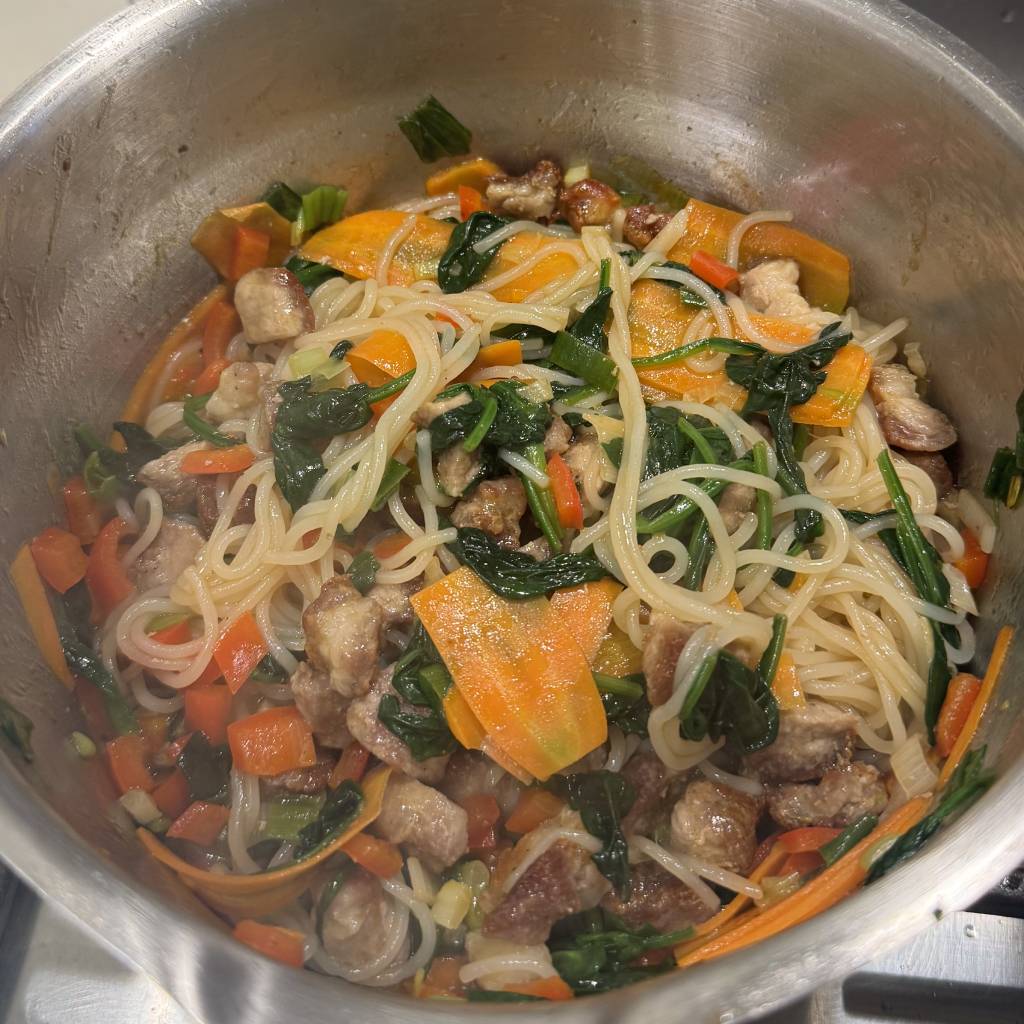
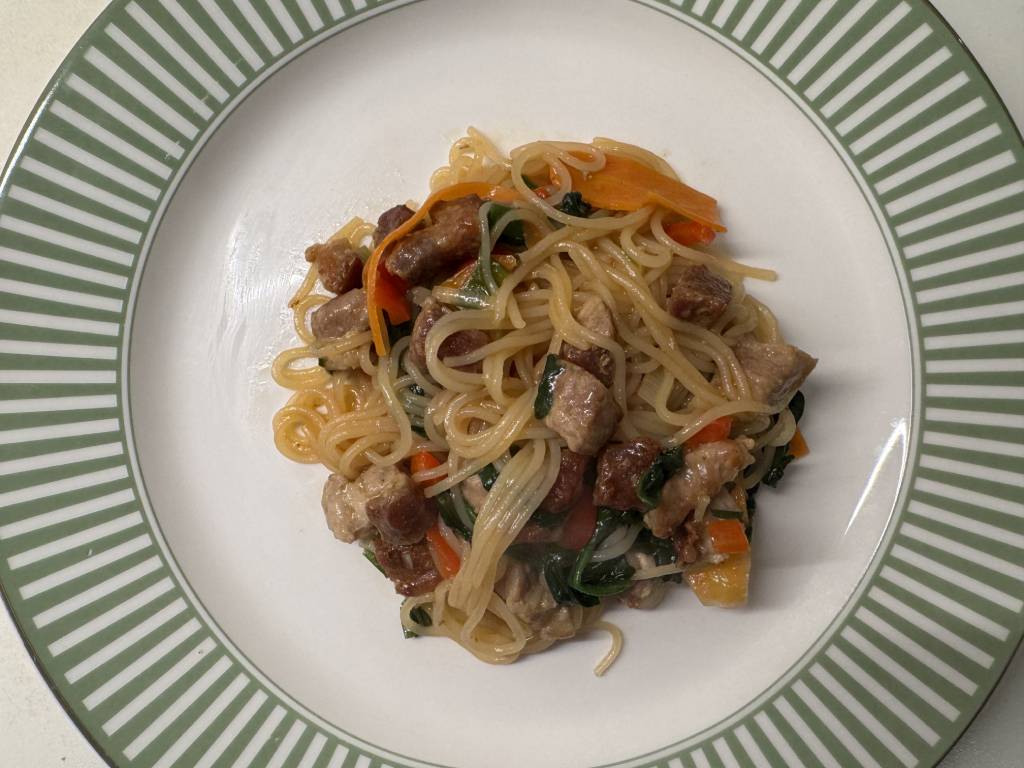
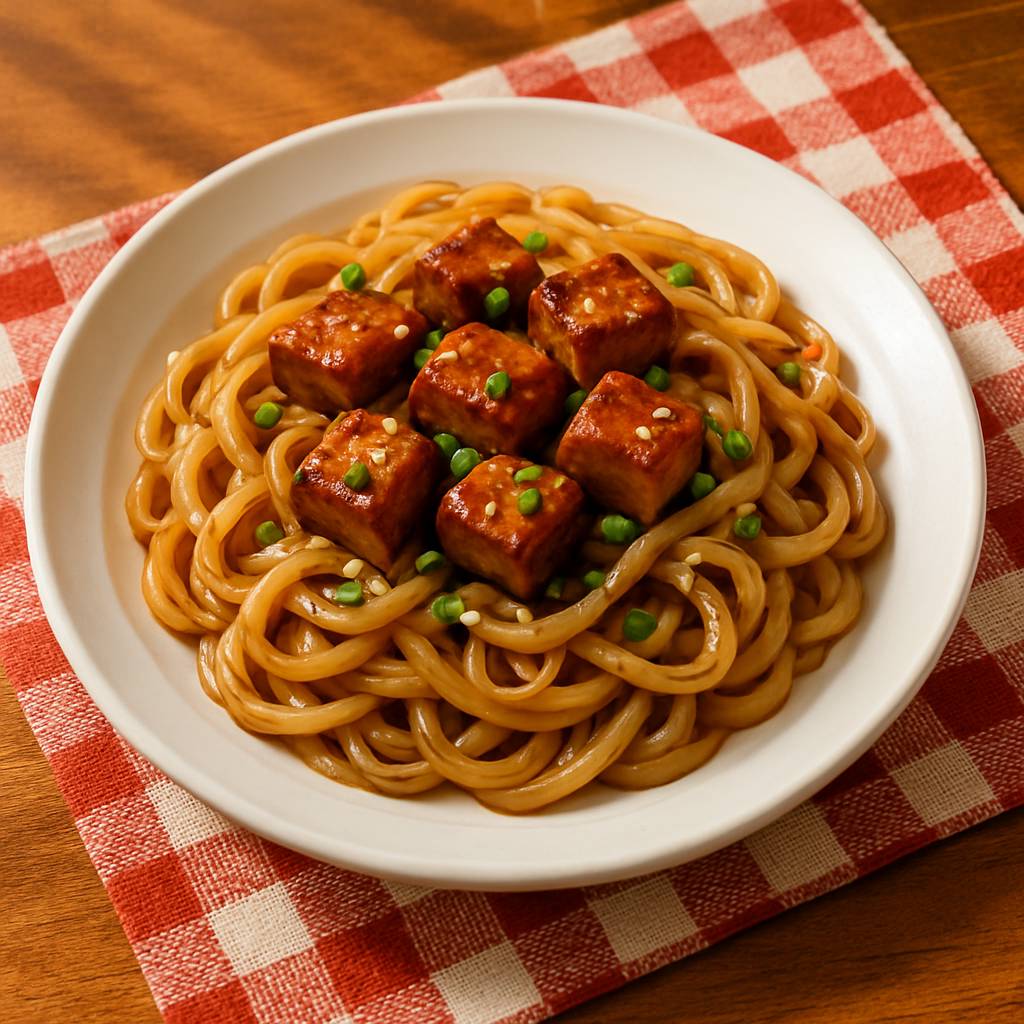
Noodle skillet adapted without gluten
Noodles adapted

Rice Noodle Stir-Fry Skillet

30 min · Adapted weeknight dinner
  • Wheat noodles Rice noodles
  • Regular soy sauce Gluten-free tamari
  • Flour-thickened sauce Citrus ginger reduction
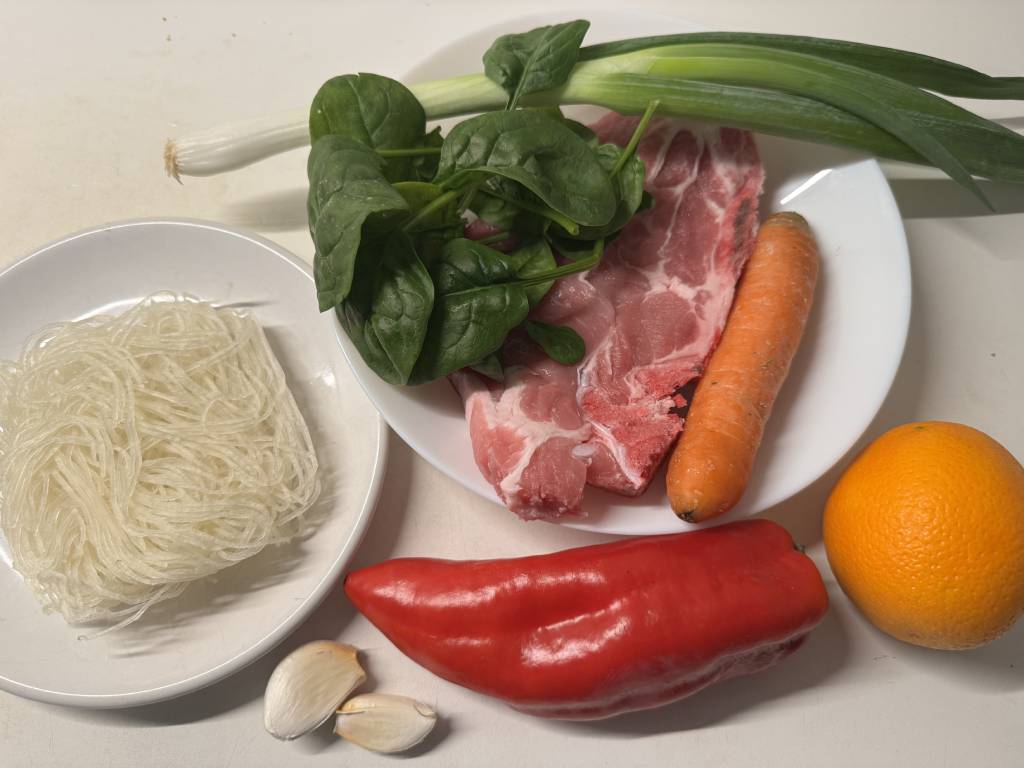
Cooking a gluten-free noodle skillet Building a gluten-free tamari sauce Finished gluten-free adapted skillet

Kale AI can preserve the stir-fry rhythm while adapting noodles, sauce, and thickening logic.
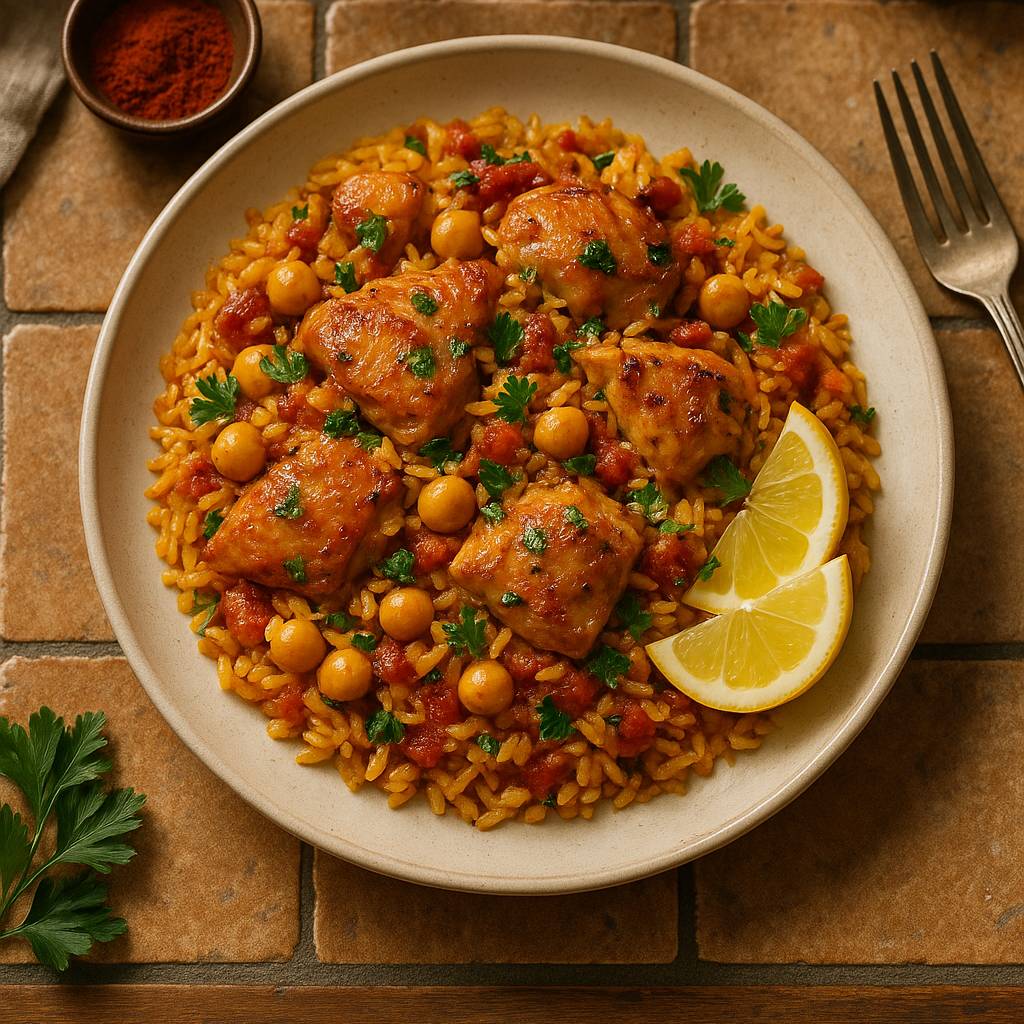
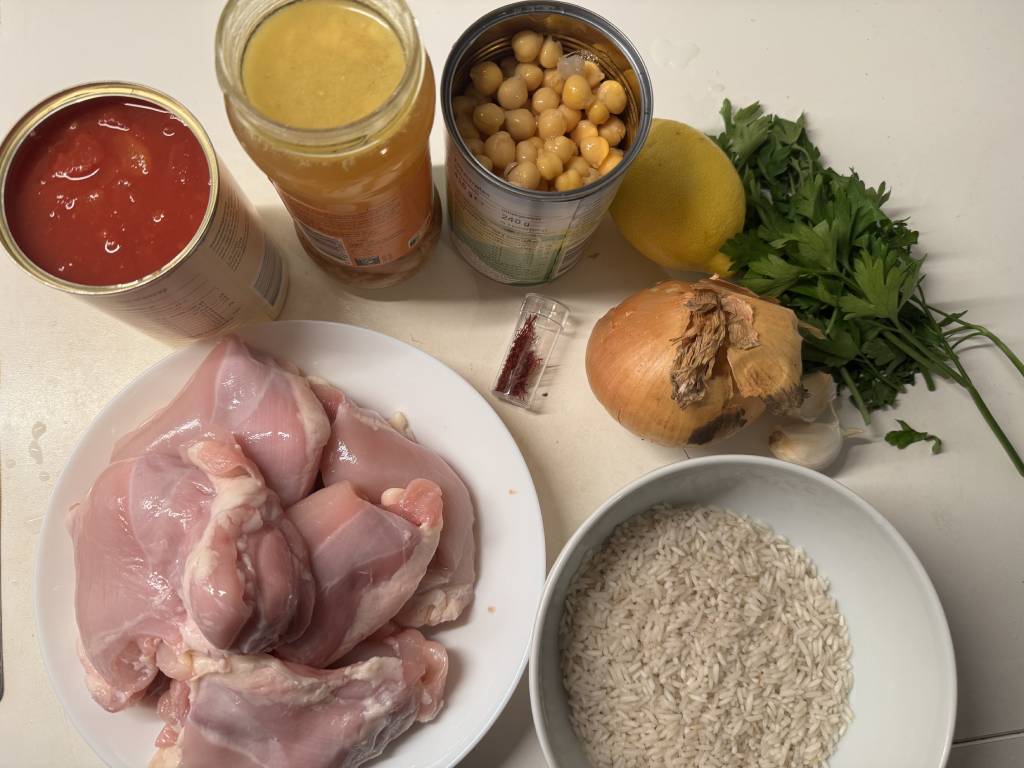
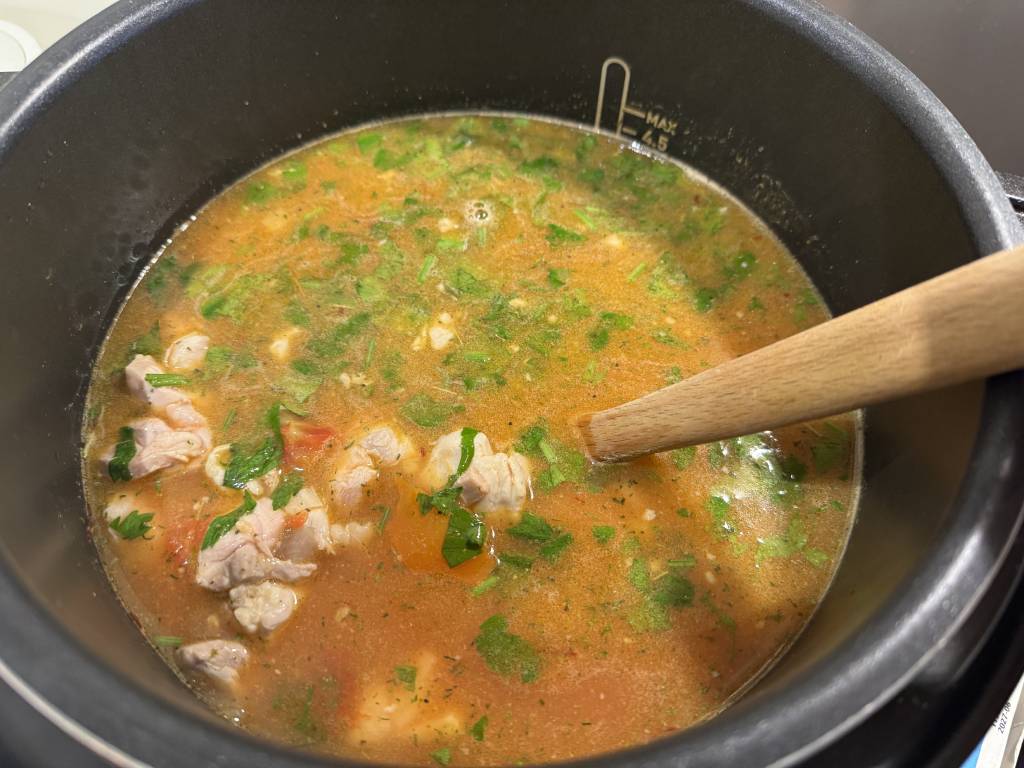
One-pot dinner adapted without gluten
Side adapted

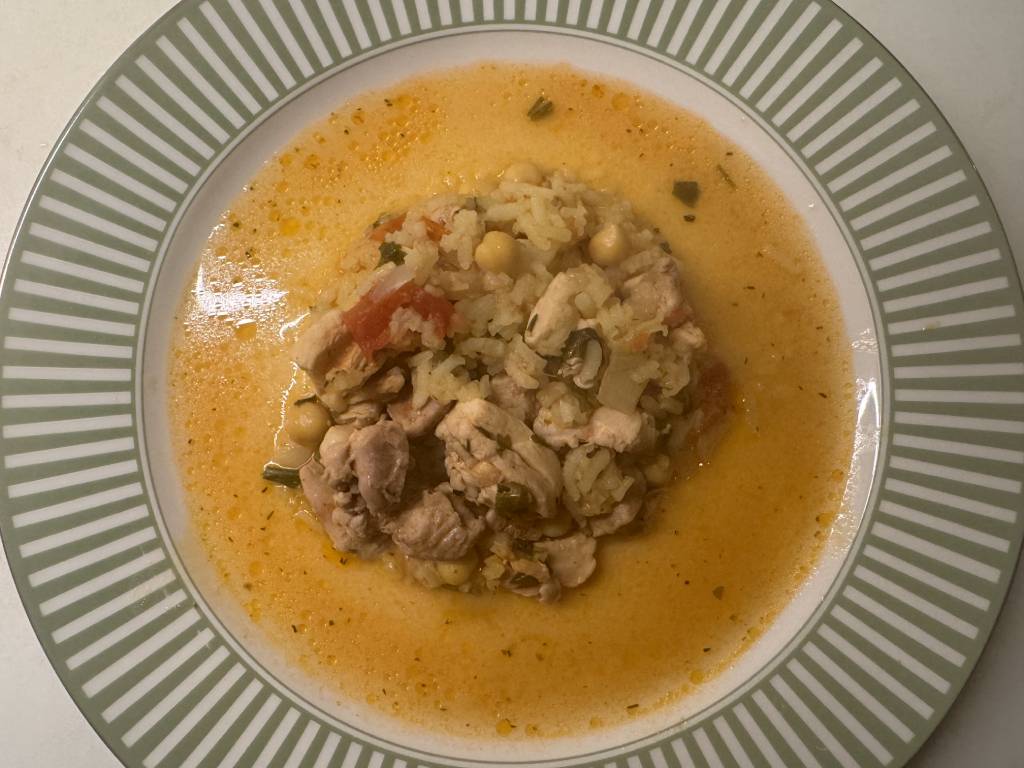
Chicken & Rice Cazuela

60 min · Adapted one-pot
  • Couscous or wheat side Rice, potatoes, or polenta
  • Stock with unclear ingredients Profile-friendly stock
  • Bread side Crisp potatoes or salad
Building a gluten-free one-pot dinner Adding rice to gluten-free cazuela Finished gluten-free one-pot dinner

Sometimes the best adaptation is choosing a naturally fitting base, not forcing a substitute into the wrong dish.

Chicken dinner adapted without wheat flour
Coating adapted

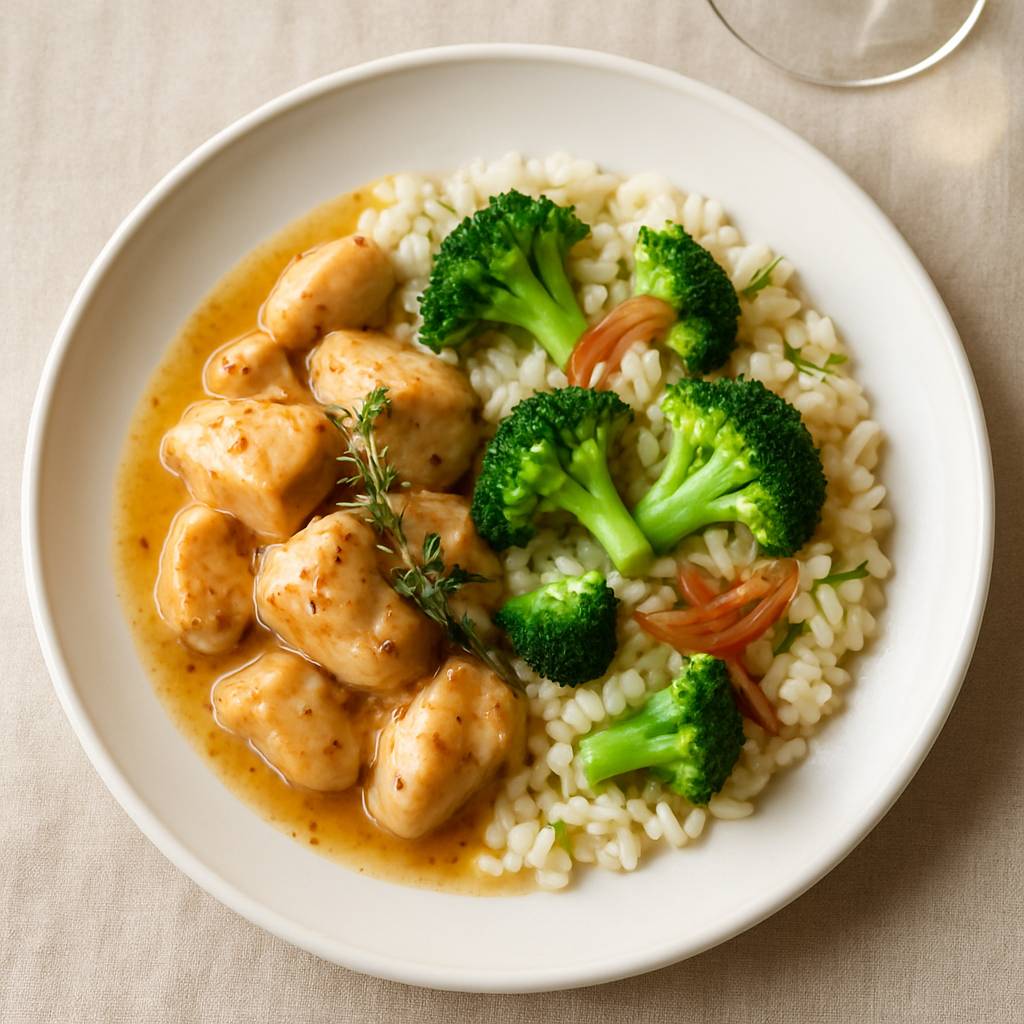
Lemon Chicken with Herby Rice

20 min · Adapted comfort dinner
  • Wheat flour dredge Skip, sear, or use corn starch
  • Breadcrumb topping Toasted seeds or herbs
  • Pasta side Rice, potatoes, or quinoa

Kale AI can adapt coatings and toppings by asking what they do: browning, crunch, body, or structure.

The Kale AI way

Set the profile.
Adapt the recipe before cooking.

01

Set your gluten-free profile.

Choose gluten-free as a preference, then add ingredients, cuisines, and pantry defaults you want Kale AI to remember.

02

Adapt the recipe by role.

Kale AI suggests swaps for pasta, noodles, flour, coatings, sauces, sides, and pantry items, then turns them into a shopping list.

03

Cook the adapted version.

Cook Mode shows the gluten-free version step by step, with the swaps already included in the method.

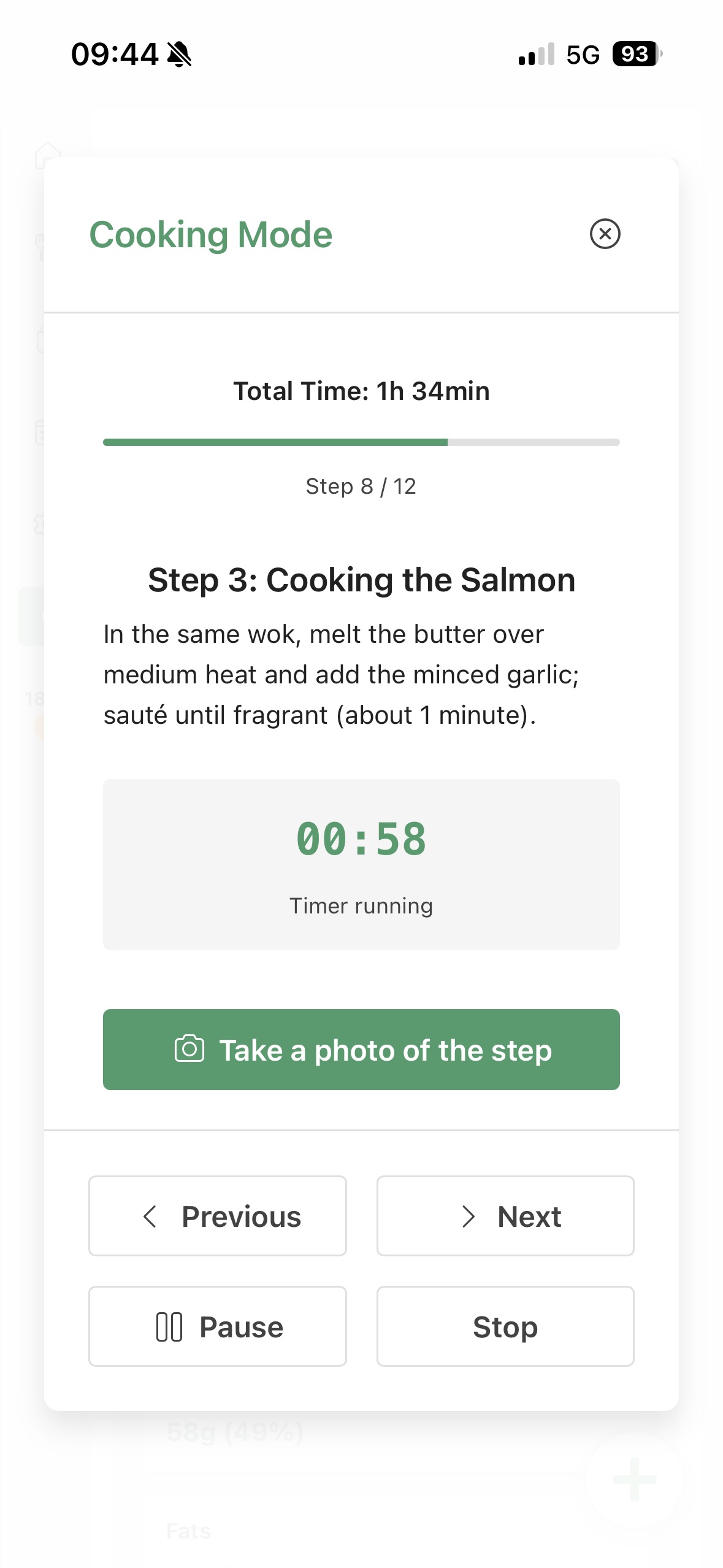
Cook Mode

No substitution chart
beside the stove.

Cook Mode keeps the gluten-free noodles, sauce, coating, side, and timing inside the recipe steps, so adaptation happens before cooking starts.

Cook Mode interface for gluten-free adapted recipes

“The old workaround is finding an exciting recipe, then checking every noodle, sauce, coating, and topping. Kale AI makes the adapted version the version you actually cook.”

Keep the dish idea
Common questions answered

Adapt recipes without gluten,
without losing the dish.

How can I adapt a recipe without gluten?

Look for gluten-containing ingredients such as pasta, noodles, flour, breadcrumbs, coatings, sauces, and sides, then choose swaps that keep the same texture and dinner idea.

Kale AI can suggest those swaps and carry them into the shopping list and Cook Mode.

What can replace wheat pasta or noodles?

Depending on the dish, useful options include rice noodles, corn pasta, quinoa pasta, potatoes, polenta, rice, buckwheat, or vegetable-forward bases.

The best choice depends on sauce, cuisine, texture, and cooking time.

Can AI adapt recipes for a gluten-free preference?

Yes. AI can help adapt pasta, noodles, flour, breadcrumbs, sauces, coatings, sides, and cooking steps around a gluten-free profile.

Kale AI focuses on practical recipe adaptation from plan to shopping list to cooking.

How do I adapt breadcrumbs or coatings?

Use the job as the guide: toasted seeds, herbs, cornmeal, crushed gluten-free crackers, corn starch, or a sear-only method can add crunch, browning, or body.

Kale AI can choose a swap based on the recipe instead of using one default answer.

What should change on a gluten-free shopping list?

Useful staples include rice noodles, gluten-free tamari, potatoes, rice, corn tortillas, polenta, quinoa, vegetables, proteins, herbs, and chosen gluten-free pantry items.

Kale AI builds the list from the adapted recipe.

How is this different from a gluten-free meal planner?

A gluten-free meal planner creates the week around your preference. Recipe adaptation starts with a recipe you already found and changes it to fit your profile.

Kale AI can support both workflows.

References for smarter defaults

Label context helps.
So does a better recipe.

Kale AI is a food planning and cooking app, not an advice product. These public references provide context for label-aware gluten-free shopping and pantry swaps.

Original adaptation note: Across our gluten-free adaptation examples, the most repeated swaps are wheat noodles → rice noodles, soy sauce → gluten-free tamari, and breadcrumbs → toasted seeds or herbs.

<20 ppm

U.S. gluten-free label threshold

The FDA gluten-free labeling rule sets a limit of less than 20 parts per million of gluten for foods using a gluten-free claim.

U.S. Food and Drug Administration

Label check

Food labels help verify packaged ingredients

The FDA explains that gluten-free claims are voluntary but must meet regulatory requirements when used, which is why packaged sauces, grains, and snacks deserve shopping-list attention.

U.S. Food and Drug Administration

Database

Ingredient data can support practical meal planning

USDA FoodData Central is a public food composition database that can help compare ingredients and staples when adapting recipes.

USDA FoodData Central

Start adapting gluten-free recipes while keeping the dish idea.

No credit card. No sign-in required. Set your profile once and let recipes, shopping lists, and Cook Mode follow it.

QR code to download Kale AI Scan to download

Available on iOS and Android · Kale AI · Good Kitchen Vibes