



Adapt recipes for high-protein goals

Adapt recipes for higher protein
without making dinner boring.

More staying power. Same reason you wanted the recipe.

Paste or choose a recipe, set your high-protein goal, and let Kale AI suggest practical changes to proteins, portions, sides, legumes, toppings, shopping lists, and Cook Mode steps.

High-protein swaps Recipe adaptation Protein sources Sides Shopping list Cook Mode
The old way

Adding protein can accidentally
erase the dinner.

You add chicken, tofu, eggs, beans, or fish, then the sauce, side, and cooking time need changes too.

Kale AI adapts the whole recipe structure, not just one ingredient.

High-protein swaps can make every dish taste like meal prep.

The better move is variety: different proteins, legumes, textures, cuisines, sauces, and sides.

The grocery list needs backup protein defaults.

Eggs, tofu, fish, poultry, beans, lentils, yoghurt-style options if chosen, nuts, seeds, and sides can all be planned together.

Kale Diary · Free companion tool

Not sure which recipes need more staying power?

Notice your patterns first. Then adapt around them.

Before you decide what a recipe should avoid or include, it helps to notice what already repeats. Kale Diary is a free companion tool — log what you ate, note how the day felt, and let repeated meals and ingredients become easier to see. No barcodes. No database. As fast as a text message.

After a few days, Kale Diary can help you spot the ingredients, recipes, and routines that keep showing up in your notes.

Once you know what you want your kitchen profile to remember, Kale AI turns those preferences into adapted recipes, shopping lists, and cooking steps.

Kale Diary → notice patterns. Kale AI → adapt recipes around your high-protein goal.

Try Kale Diary free Web-based · Works offline · Your data stays on your device
Before / after adaptations

Add staying power.
Keep the recipe worth cooking.

High-protein adaptation works best when protein, sauce, side, texture, and cooking time all stay in balance.

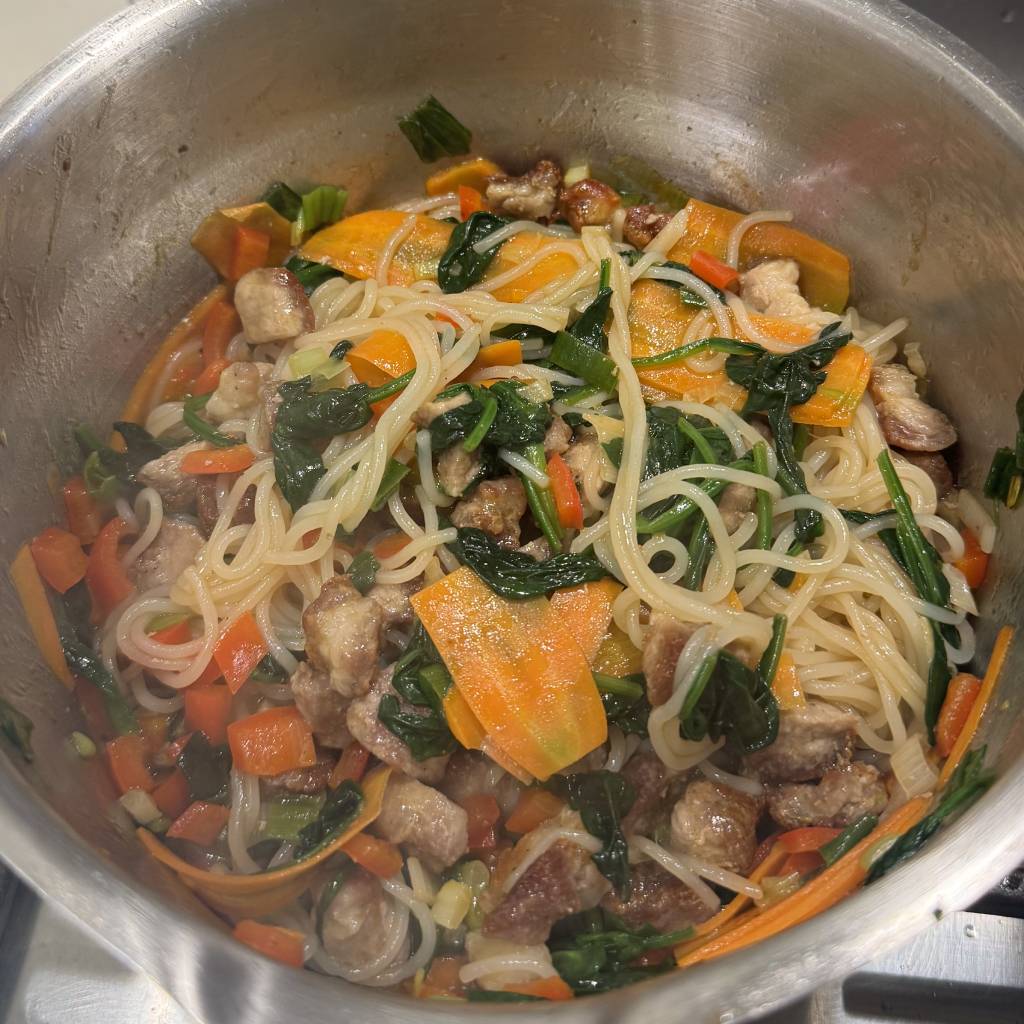
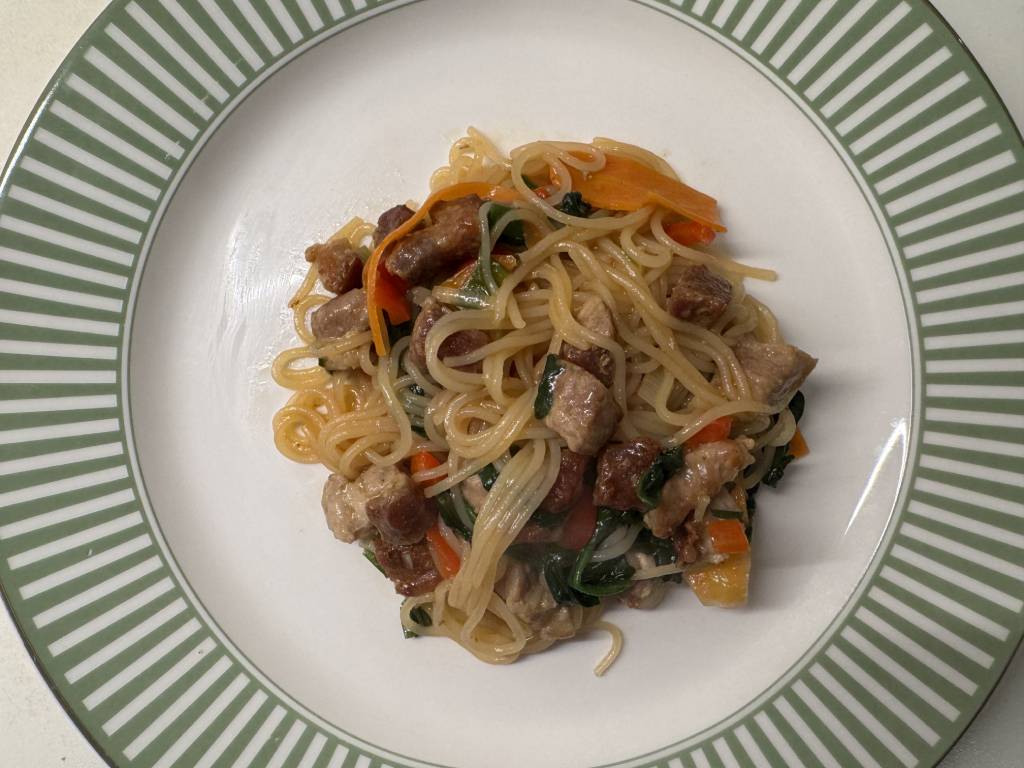
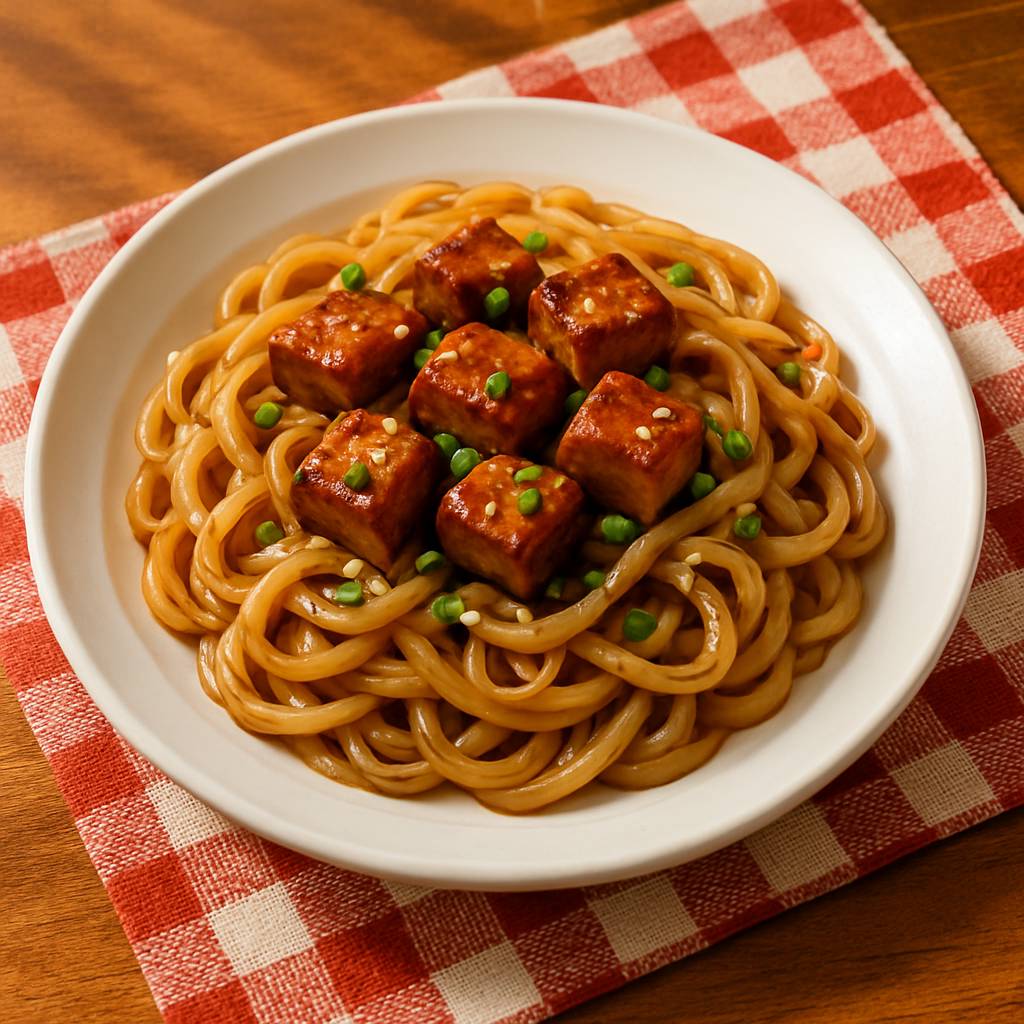
High-protein adapted noodle skillet
Protein upgraded

Protein-Forward Noodle Skillet

30 min · Adapted weeknight dinner
  • Noodle-heavy bowl Protein-forward skillet + vegetables
  • Thin sauce only Tamari, citrus, ginger, sesame
  • No side plan Edamame or crisp veg side
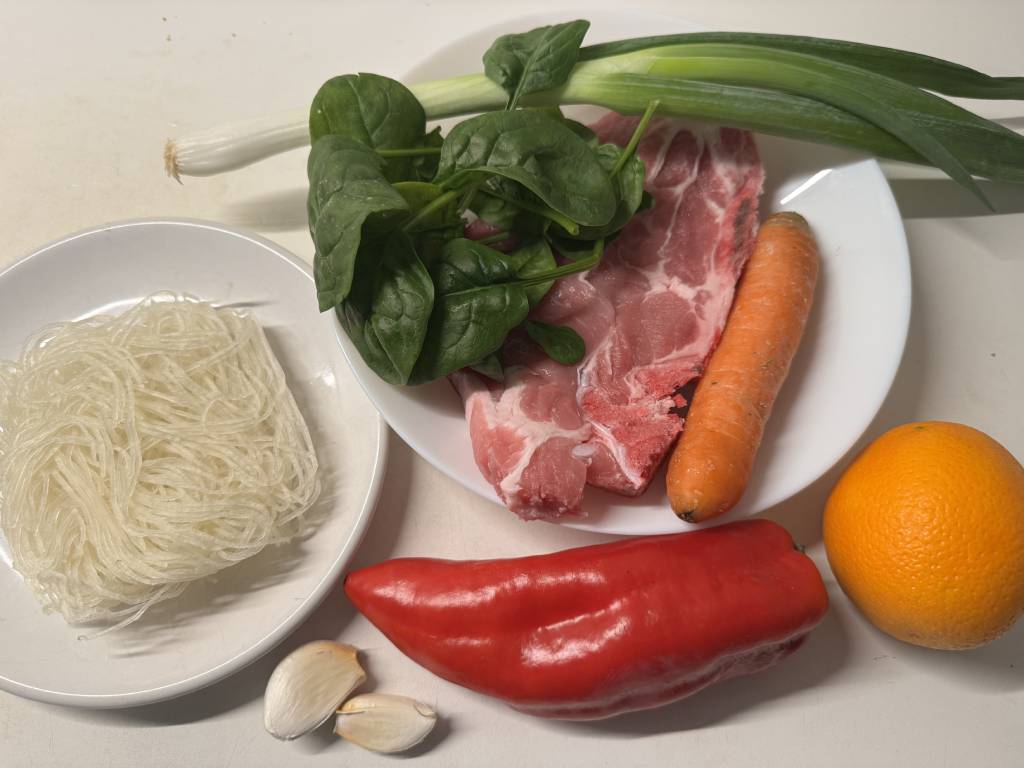
Searing protein for a high-protein adapted skillet Building sauce for high-protein dinner Finished high-protein adapted skillet

Kale AI can rebalance noodles, protein, vegetables, and sauce so the dish stays satisfying without becoming a plain protein bowl.

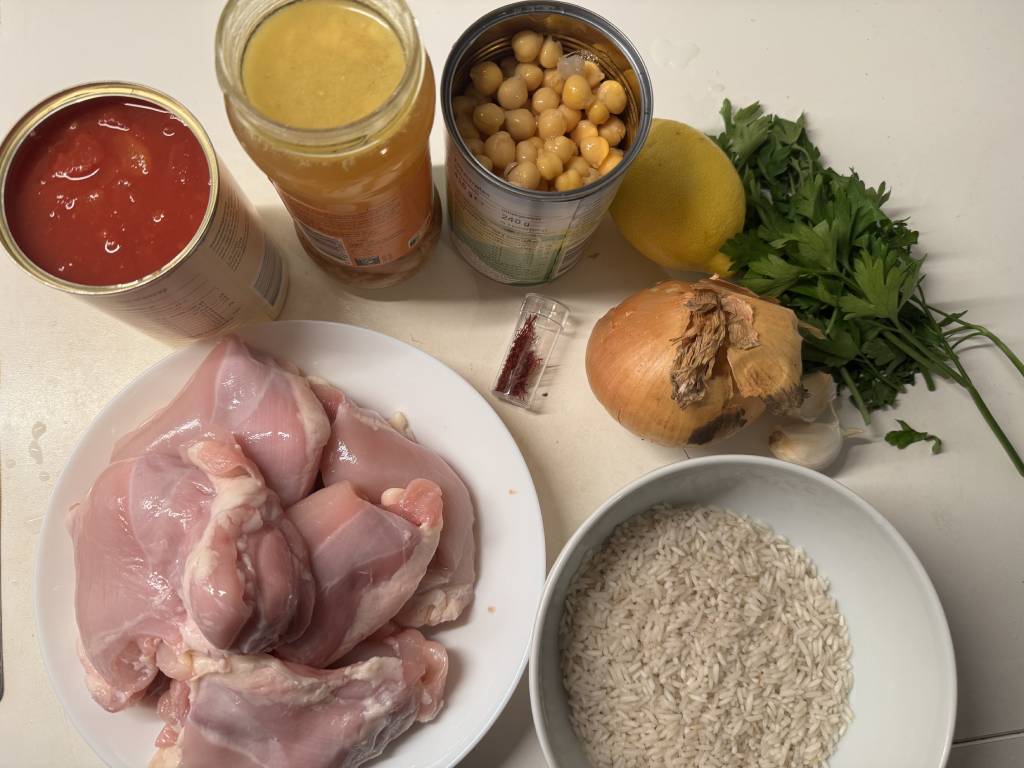
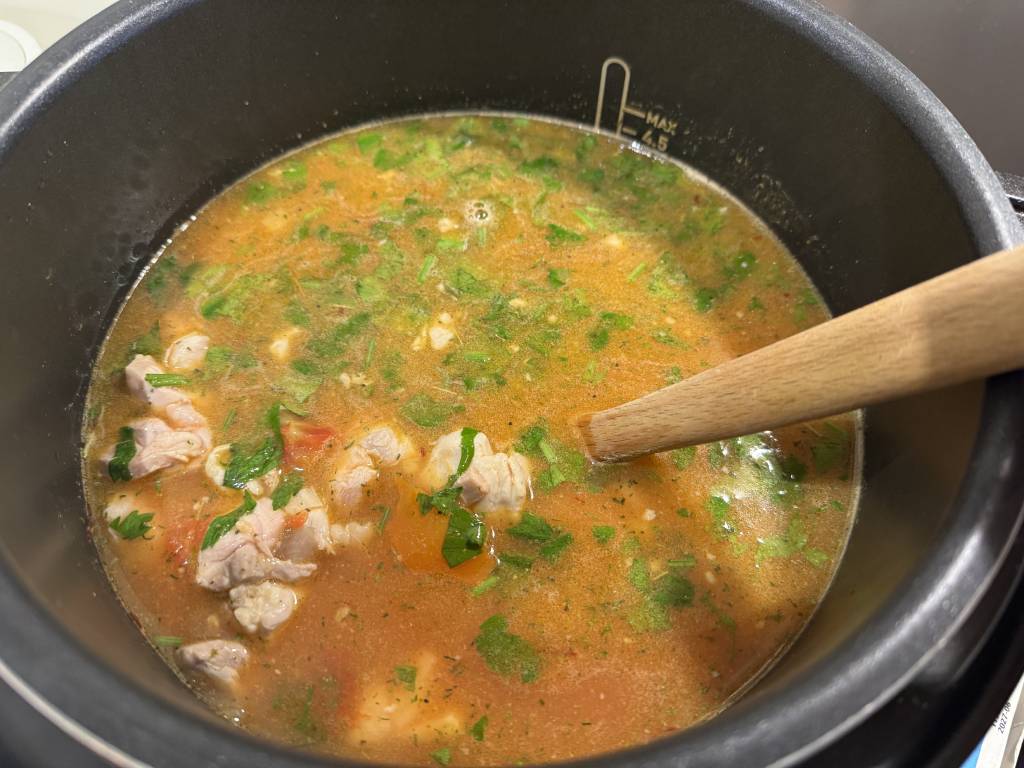
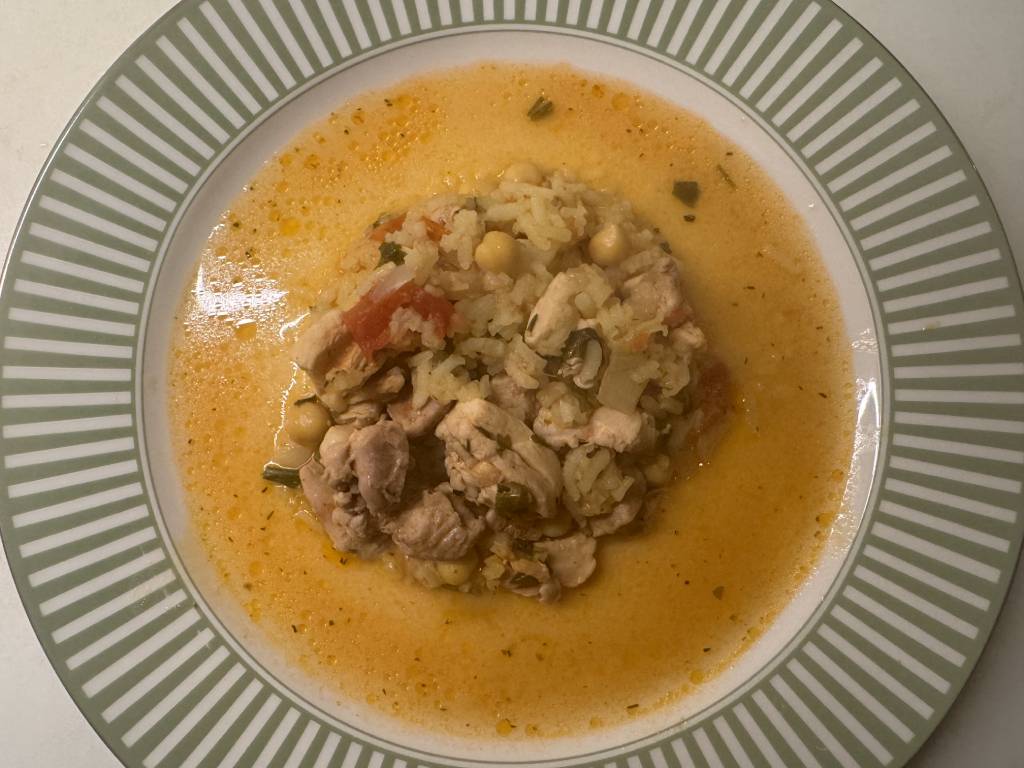
High-protein adapted chicken and chickpea cazuela
One-pot upgraded

Chicken & Chickpea Cazuela

60 min · Adapted one-pot
  • Rice-only one-pot Chicken + chickpeas + rice
  • Small protein portion Profile-aware protein default
  • No vegetable side Greens, herbs, peppers
Building a high-protein adapted cazuela Adding rice and chickpeas Finished high-protein one-pot dinner

Beans, lentils, poultry, fish, eggs, tofu, and grains can all change the staying power of a recipe. Kale AI can choose the upgrade that fits the dish.

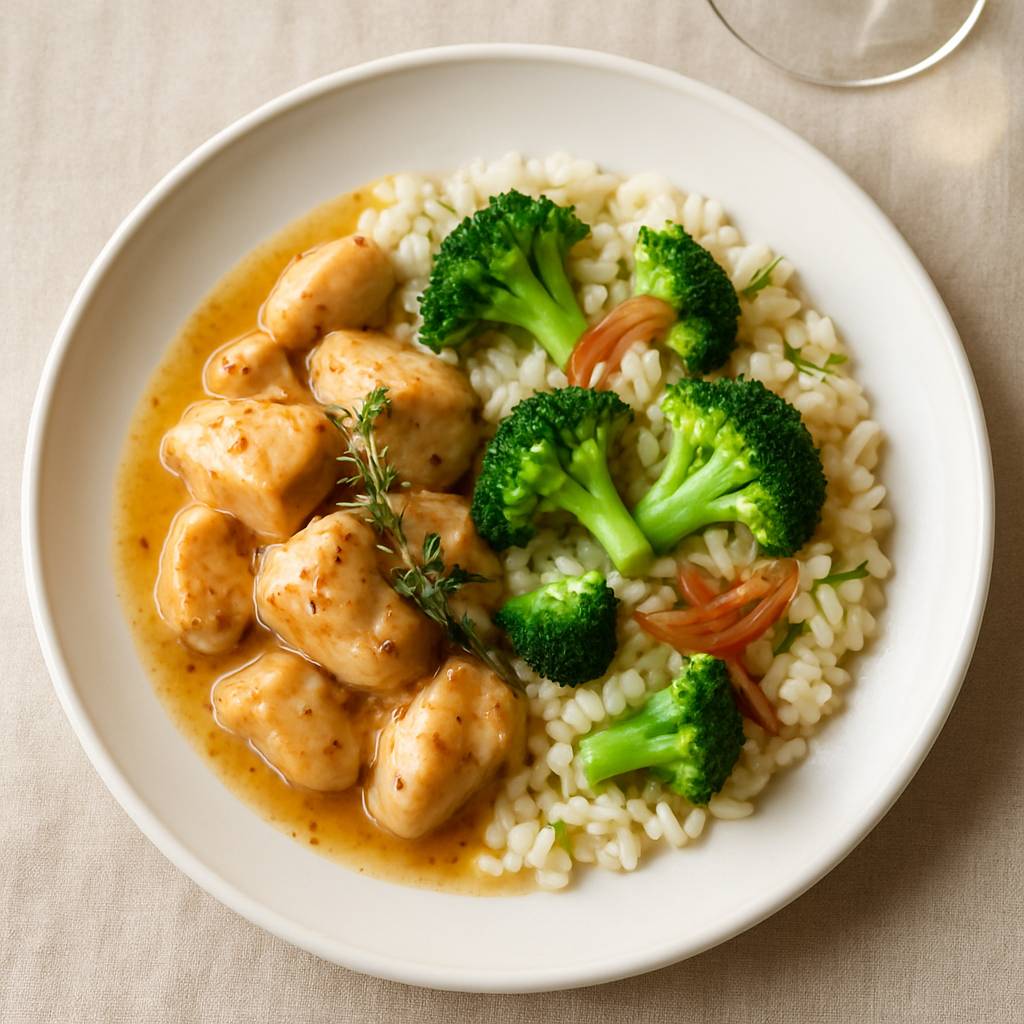
High-protein adapted chicken dinner
Comfort upgraded

Chicken Fricassée with Broccoli Rice

20 min · Adapted comfort dinner
  • Sauce-first plate Chicken-forward plate
  • Plain rice Broccoli and shallot rice
  • No protein backup Egg, tofu, beans, or chosen side

Kale AI can adapt a comfort dinner so the protein, sauce, vegetables, and side all work together instead of simply adding more of one thing.

The Kale AI way

Set the goal.
Adapt the whole plate.

01

Set your high-protein profile.

Choose your high-protein goal, preferred protein sources, cuisines, cooking time, and ingredients you want Kale AI to avoid or include.

02

Adapt the recipe structure.

Kale AI suggests changes to protein, portions, sides, legumes, grains, toppings, and sauce so the recipe still feels like the same dinner.

03

Cook the upgraded version.

Cook Mode turns the adapted recipe into clear steps with the protein and side changes already included.

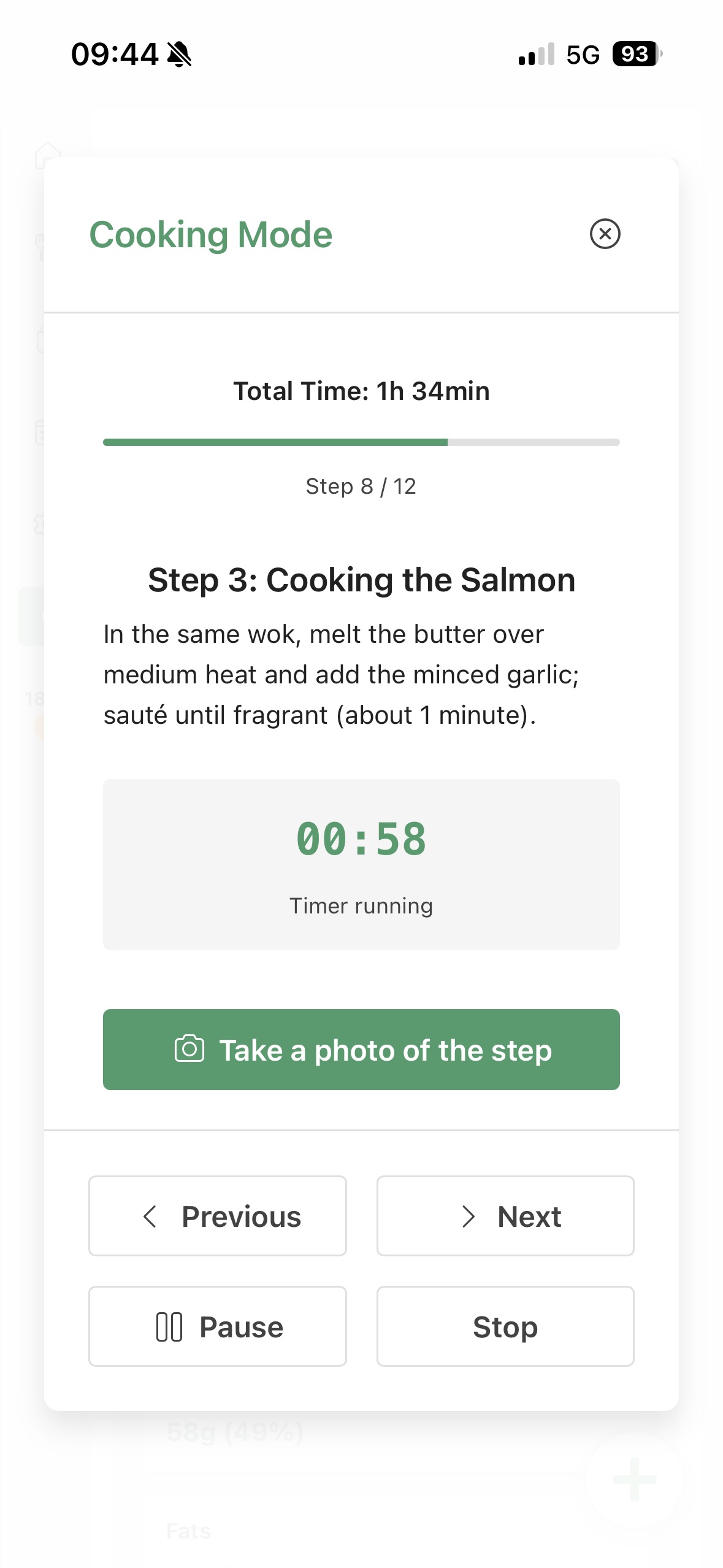
Cook Mode

The protein upgrade
fits the recipe.

Cook Mode keeps the adjusted protein, side, sauce, and timing together in one adapted recipe, so the upgrade does not become a separate mental task.

Cook Mode interface for high-protein adapted recipes

“High-protein adaptation is not just adding chicken to everything. It is changing the dinner structure so the protein, sauce, side, and texture still make sense together.”

Satisfying recipe upgrades
Common questions answered

Adapt recipes for high protein,
without meal-prep fatigue.

How can I adapt a recipe for more protein?

Increase or change the protein source, add legumes or tofu where they fit, adjust sides, and rebalance sauce, vegetables, and portions so the recipe still works.

Kale AI can suggest recipe-specific upgrades and carry them into the shopping list and Cook Mode.

Can AI adapt recipes for high-protein goals?

Yes. AI can help adapt protein sources, portions, legumes, sides, toppings, sauces, and cooking steps around a high-protein profile.

Kale AI focuses on practical dinner adaptation rather than generic macro advice.

What are easy high-protein recipe upgrades?

Useful upgrades include adding beans, lentils, tofu, eggs, fish, poultry, Greek-style yoghurt if it fits your profile, seeds, nuts, or a protein-forward side.

The best upgrade depends on the dish and the texture you want.

How do I avoid boring high-protein adaptations?

Keep variety in cuisine, sauce, heat, herbs, texture, vegetables, and cooking method so protein supports the dish rather than becoming the whole idea.

Kale AI can preserve the original recipe mood while changing the structure.

What should change on a high-protein shopping list?

Add the proteins and support ingredients required by the adapted recipes: eggs, tofu, legumes, fish, poultry, nuts, seeds, vegetables, grains, sauces, and herbs.

Kale AI builds the list from the adapted dinners.

How is this different from a high-protein meal planner?

A high-protein meal planner creates the week around your goal. Recipe adaptation starts with a recipe you already want and changes it to fit your profile.

Kale AI can help with both workflows.

References for smarter defaults

Useful benchmarks,
better dinner upgrades.

Kale AI is a food planning and cooking app, not an advice product. These public references provide context for protein variety and meal-planning benchmarks.

Original adaptation note: Across our high-protein adaptation examples, the recurring upgrades are protein-forward mains, bean or lentil additions, vegetable sides, and sauces that keep the recipe from tasting like meal prep.

10–35%

Protein range in public macronutrient guidance

The Dietary Guidelines for Americans reference an acceptable macronutrient distribution range for protein of 10% to 35% of calories for adults.

Dietary Guidelines for Americans, 2020–2025

0.8 g/kg

Common adult protein RDA benchmark

National Academies dietary reference intake materials list 0.8 grams of protein per kilogram of body weight per day as the adult Recommended Dietary Allowance benchmark.

National Academies Dietary Reference Intakes

Variety

Public guidance encourages variety in protein foods

The Dietary Guidelines protein foods group includes seafood, meats, poultry, eggs, beans, peas, lentils, nuts, seeds, and soy products, supporting varied recipe upgrades.

Dietary Guidelines for Americans, 2020–2025

Start adapting recipes around your high-protein goal.

No credit card. No sign-in required. Set your profile once and let recipes, shopping lists, and Cook Mode follow it.

QR code to download Kale AI Scan to download

Available on iOS and Android · Kale AI · Good Kitchen Vibes