




Adapt recipes for high-fibre goals

Adapt recipes for more fibre
without the pantry lecture.

Beans, grains, vegetables, seeds, and sides — where they actually belong.

Paste or choose a recipe, set your high-fibre goal, and let Kale AI suggest practical upgrades with legumes, grains, vegetables, nuts, seeds, toppings, shopping lists, and Cook Mode steps.

High-fibre swaps Recipe upgrades Legumes Whole grains Shopping list Cook Mode
The old way

Adding fibre is easy.
Making it fit is the trick.

Beans, lentils, grains, seeds, and vegetables can feel bolted on if the recipe was not built for them.

Kale AI adapts the whole dish so the upgrade feels intentional.

The side dish disappears when the evening gets busy.

Cook Mode keeps the bean, grain, vegetable, and topping steps inside the adapted recipe.

The shopping list needs the small upgrades.

Your list can remember lentils, beans, chickpeas, oats, quinoa, vegetables, nuts, seeds, herbs, and sauces.

Kale Diary · Free companion tool

Not sure where fibre could fit naturally?

Notice your recipe patterns first. Then adapt around them.

Before you decide what a recipe should remember, it helps to notice what already repeats. Kale Diary is a free companion tool — log what you ate, note how the day felt, and let repeated meals and ingredients become easier to see. No barcodes. No database. As fast as a text message.

After a few days, Kale Diary can help you spot the recipes, pantry habits, and dinner routines that keep showing up in your notes.

Once you know what you want your kitchen profile to remember, Kale AI turns those preferences into adapted recipes, shopping lists, and cooking steps.

Kale Diary → notice patterns. Kale AI → adapt recipes around your high-fibre goal.

Try Kale Diary free Web-based · Works offline · Your data stays on your device
Before / after adaptations

Add fibre where the dish
already has room.

High-fibre adaptation works best when beans, grains, vegetables, nuts, and seeds are part of the dinner logic — not a garnish of guilt.

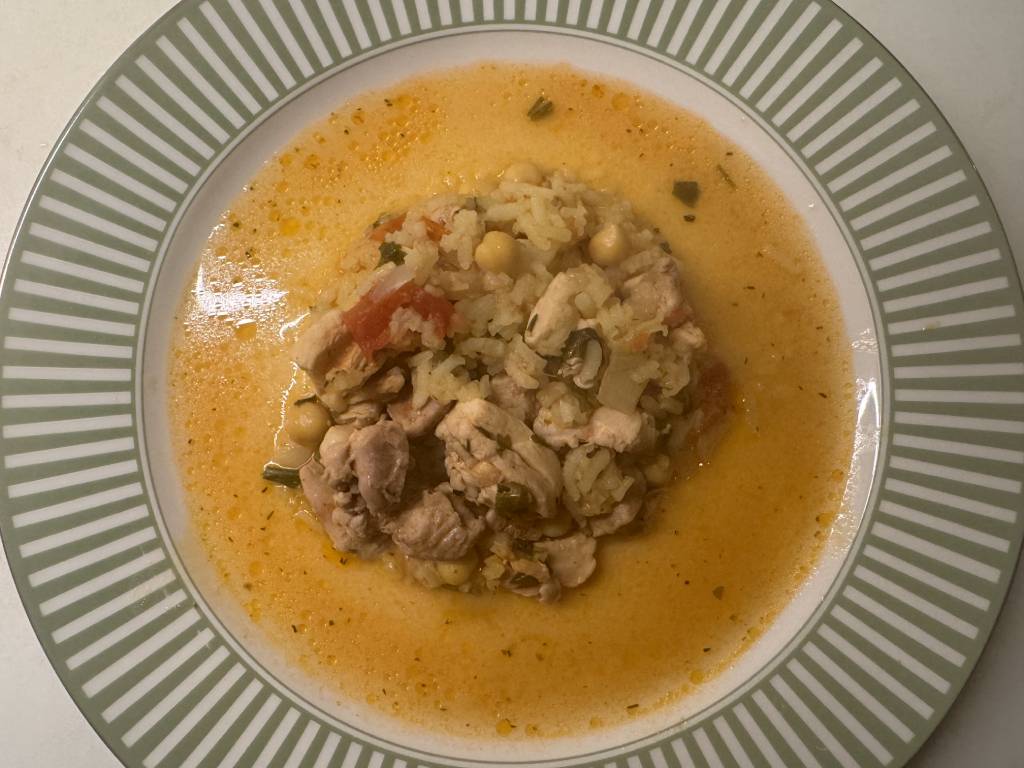
High-fibre adapted chickpea and rice cazuela
Legumes added

Chicken & Chickpea Cazuela

60 min · Adapted one-pot
  • Rice-only one-pot Chickpeas + rice + peppers
  • Plain garnish Herbs, lemon, toasted seeds
  • Small veg portion Extra peppers and greens
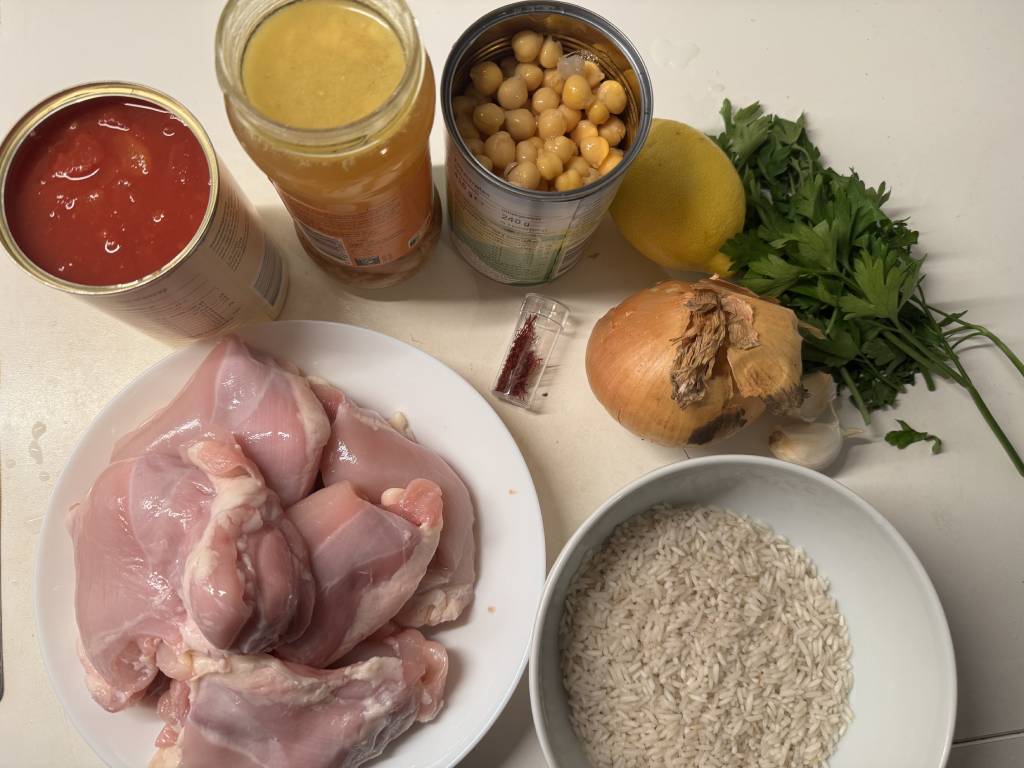
Building a high-fibre adapted cazuela Adding chickpeas and rice Finished high-fibre adapted one-pot dinner

Kale AI can add fibre through ingredients that match the cuisine, so the recipe feels upgraded instead of interrupted.
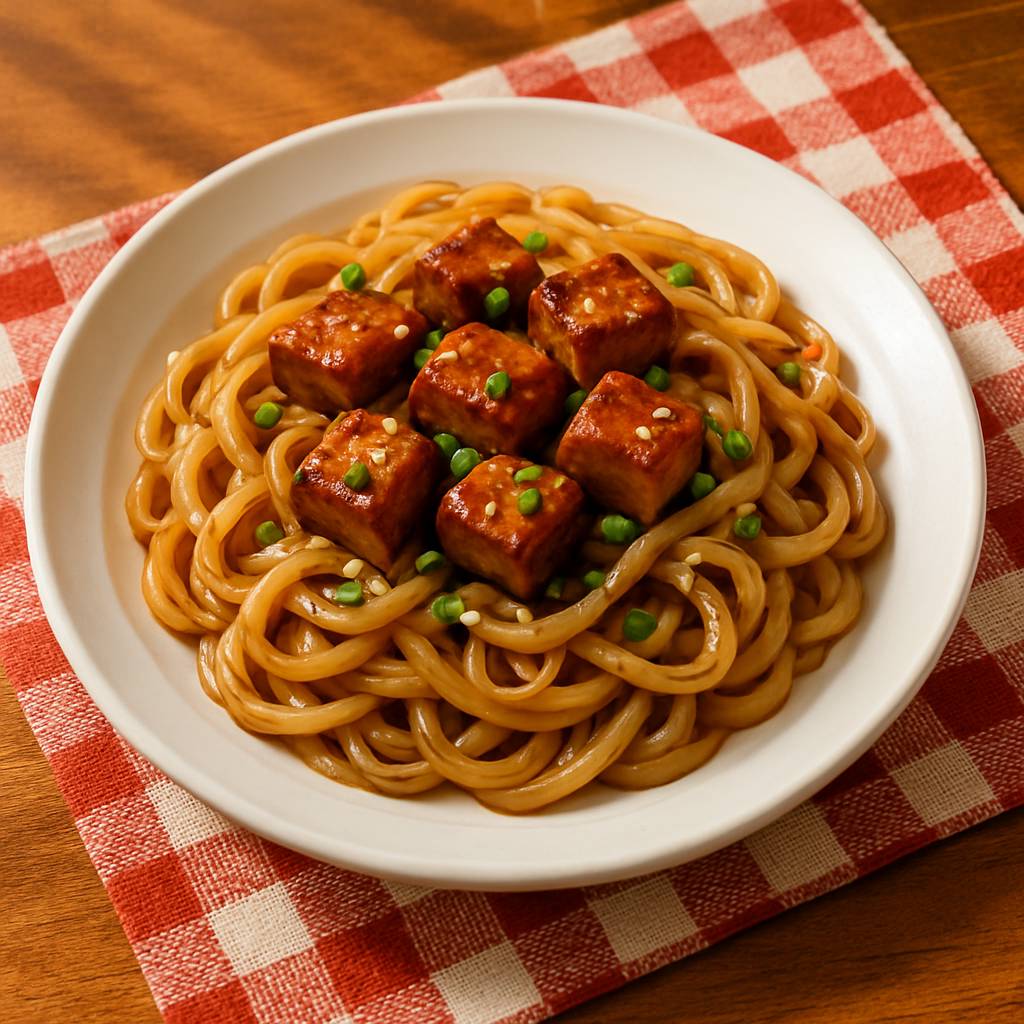
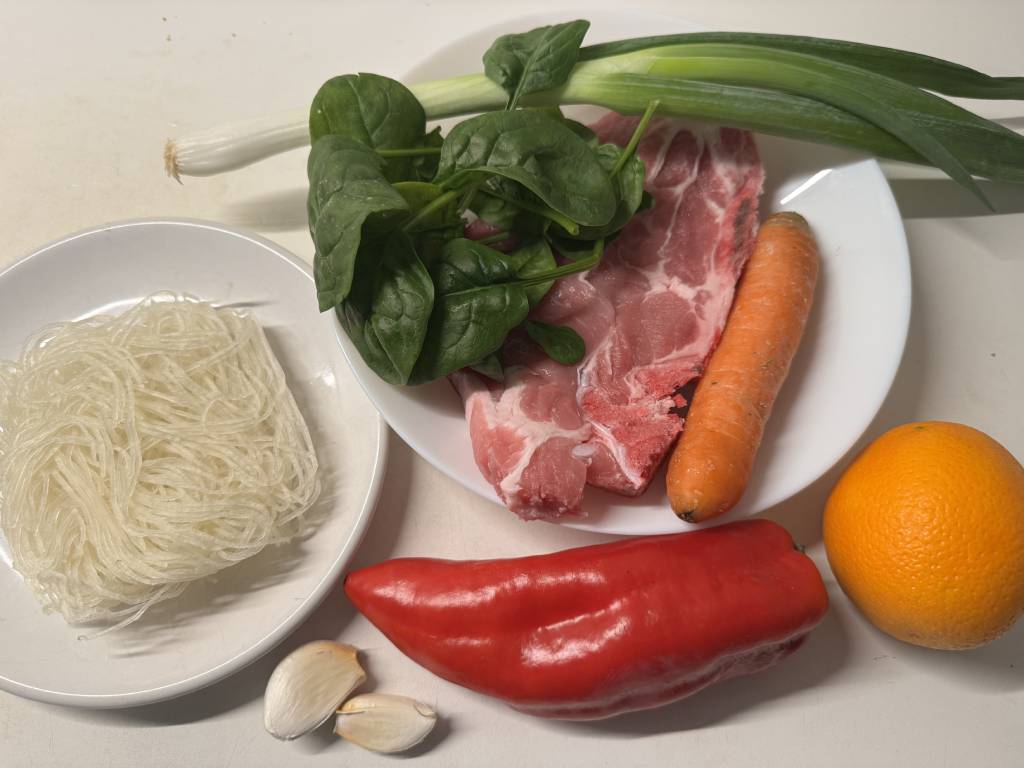
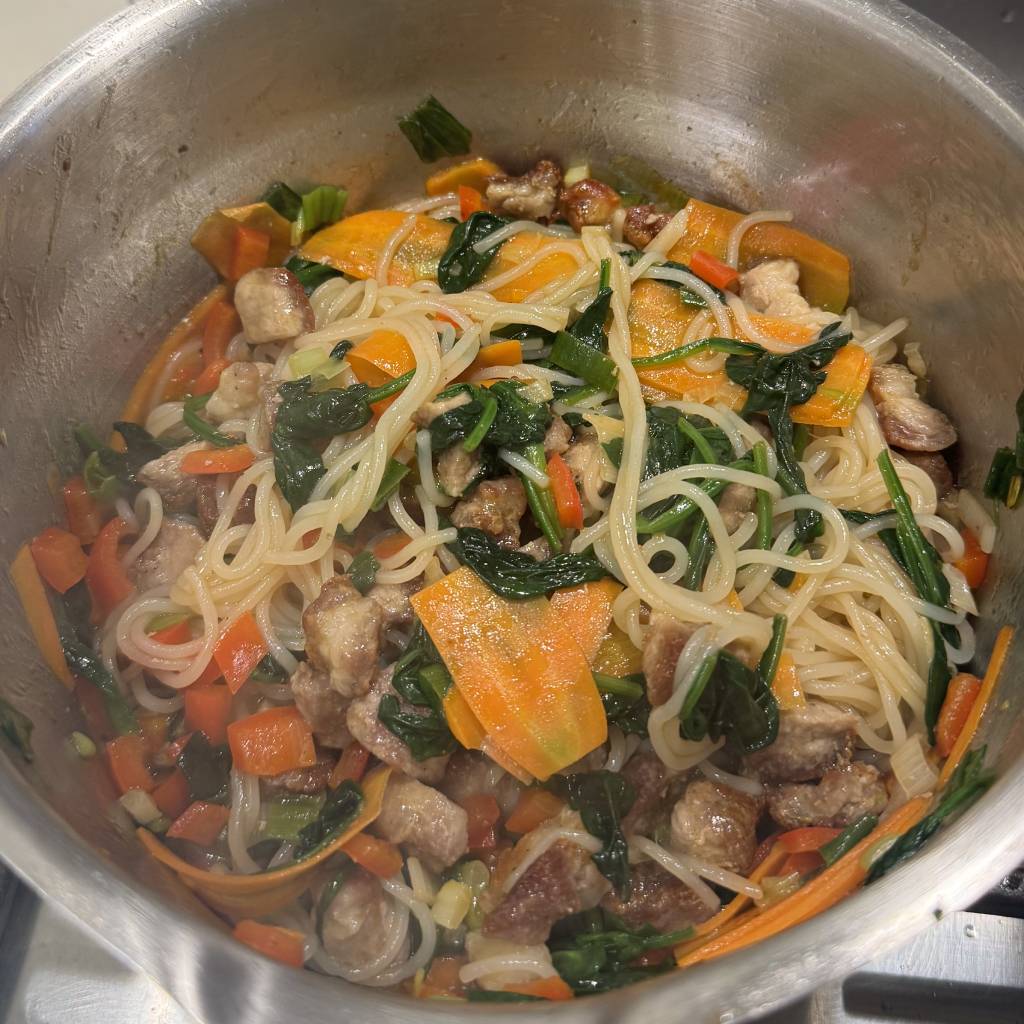
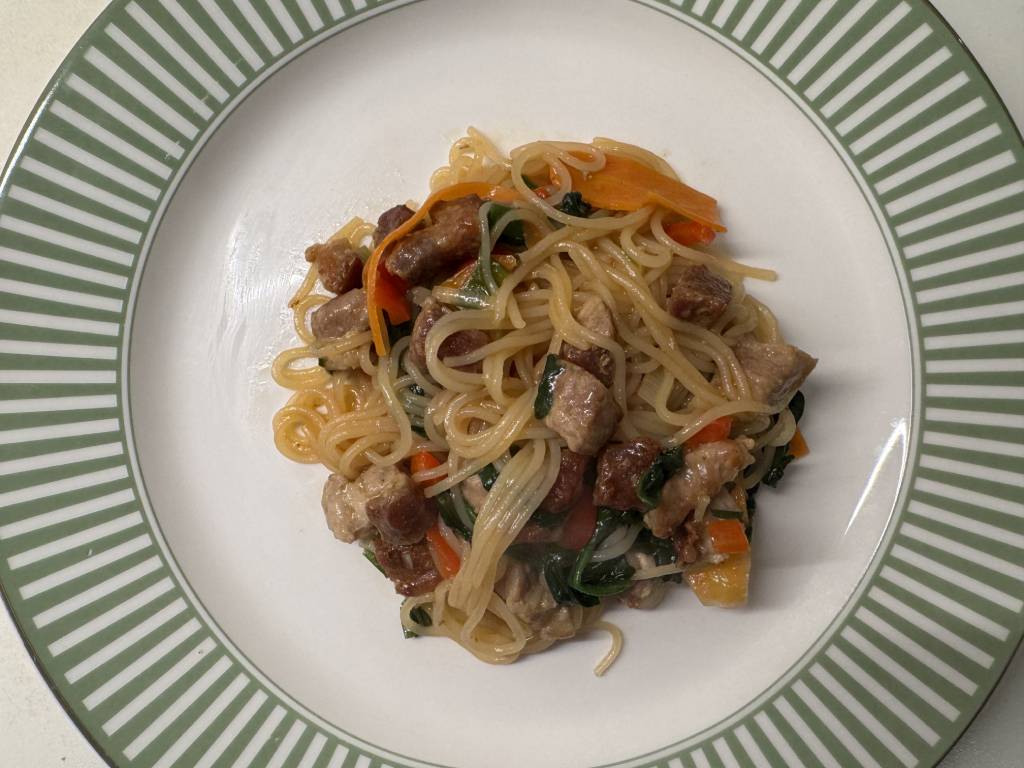
High-fibre adapted noodle skillet with vegetables
Vegetables upgraded

Crunchy Vegetable Noodle Skillet

30 min · Adapted weeknight dinner
  • Mostly noodles Noodles + cabbage + carrots + greens
  • No topping Sesame, peanuts, herbs
  • No side plan Edamame or bean salad if chosen
Cooking a high-fibre noodle skillet Building sauce for high-fibre skillet Finished high-fibre adapted skillet

A noodle recipe can keep the noodles and still make room for crunch, greens, seeds, and a smarter side.

High-fibre adapted chicken dinner with broccoli rice
Side upgraded

Herby Chicken with Broccoli Grain Rice

20 min · Adapted comfort dinner
  • Plain rice Rice with broccoli, herbs, seeds
  • No bean option White beans or lentils if chosen
  • Sauce-only comfort Sauce + texture + vegetable side

The side dish is often the easiest place to adapt. Kale AI can add texture, plants, and grains while keeping the comfort dinner familiar.

The Kale AI way

Set the goal.
Upgrade the recipe where it fits.

01

Set your high-fibre profile.

Choose high-fibre as a goal, then add cuisines, favourite vegetables, grains, legumes, toppings, and ingredients you prefer to avoid.

02

Adapt the recipe by dinner role.

Kale AI suggests upgrades for the main, base, side, sauce, and topping, then turns those choices into a shopping list.

03

Cook the upgraded version.

Cook Mode keeps the beans, grains, vegetables, and topping steps inside the adapted recipe so the upgrade actually happens.

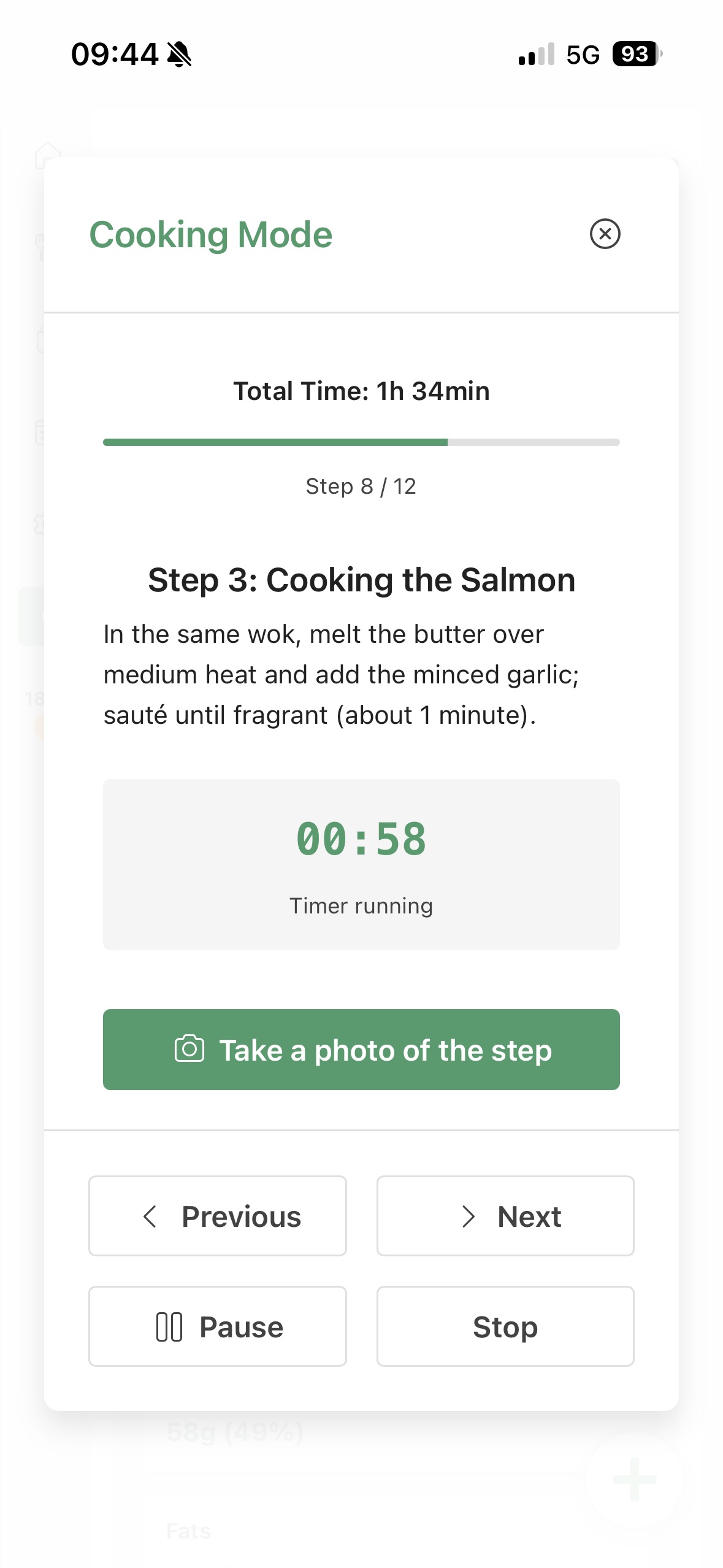
Cook Mode

The bean, grain, or green
makes it into the pan.

Cook Mode turns high-fibre upgrades into clear steps, so the side dish, topping, or vegetable addition is part of the cooking flow instead of a forgotten intention.

Cook Mode interface for high-fibre adapted recipes

“The best fibre upgrade is not the one you remember at the end. It is the bean, grain, vegetable, or seed that was designed into the recipe before shopping.”

Upgrades that belong
Common questions answered

Adapt recipes for high fibre,
without making dinner strange.

How can I adapt a recipe for more fibre?

Add fibre where it naturally fits: beans in stews, lentils in sauces, vegetables in skillets, grain sides, seeds on bowls, or nuts in toppings.

Kale AI can suggest recipe-specific upgrades and carry them into the shopping list and Cook Mode.

Can AI adapt recipes for high-fibre goals?

Yes. AI can help add beans, lentils, whole grains, vegetables, nuts, seeds, and smarter sides while preserving the original dinner idea.

Kale AI focuses on practical recipe adaptation, shopping, and cooking.

What are easy high-fibre recipe upgrades?

Useful upgrades include chickpeas, lentils, beans, oats, quinoa, brown rice, extra vegetables, seeds, nuts, fruit, and whole-grain options that fit the dish.

The best upgrade depends on the recipe format and cuisine.

How do I keep high-fibre adaptations tasting good?

Use sauce, herbs, citrus, roasting, searing, spice, crunch, and texture so fibre-rich ingredients feel like part of the meal.

Kale AI can adapt for flavour as well as ingredients.

What should change on a high-fibre shopping list?

Add the beans, lentils, grains, vegetables, nuts, seeds, herbs, spices, and sauces required by the adapted recipes.

Kale AI builds the list from the actual dinners you plan to cook.

How is this different from a high-fibre meal planner?

A high-fibre meal planner creates the week around your goal. Recipe adaptation starts with a recipe you already want and changes it to fit your profile.

Kale AI can help with both workflows.

References for smarter defaults

Useful benchmarks,
better dinner upgrades.

Kale AI is a food planning and cooking app, not an advice product. These public references provide context for fibre-forward ingredient choices.

Original adaptation note: Across our high-fibre adaptation examples, the recurring upgrades are legumes in one-pot dinners, extra vegetables in skillets, grain-based sides, and seed or nut toppings.

14 g/1,000 kcal

Fibre benchmark used in U.S. dietary guidance

The Dietary Guidelines for Americans note a dietary fibre recommendation of 14 grams per 1,000 calories, which is useful context for fibre-forward planning.

Dietary Guidelines for Americans, 2020–2025

28 g

Daily Value for fibre on U.S. Nutrition Facts labels

The FDA lists 28 grams as the Daily Value for dietary fibre, giving shoppers a practical label benchmark.

U.S. Food and Drug Administration

Database

Food composition data can compare fibre-rich staples

USDA FoodData Central provides public food composition data that can help compare beans, grains, vegetables, nuts, and seeds.

USDA FoodData Central

Start adapting recipes around your high-fibre goal.

No credit card. No sign-in required. Set your profile once and let recipes, shopping lists, and Cook Mode follow it.

QR code to download Kale AI Scan to download

Available on iOS and Android · Kale AI · Good Kitchen Vibes