



Adapt family dinners around food preferences

Adapt family dinners
without opening negotiations.

One dinner idea. Smarter defaults for different people.

Tell Kale AI the household preferences once. It can adapt recipes around shared bases, flexible toppings, ingredient boundaries, shopping lists, and Cook Mode steps so dinner does not become a debate every night.

Family dinners Mixed preferences Flexible swaps Shared bases Shopping list Cook Mode
The old way

One dinner can become
four tiny dinner opinions.

Someone wants spice, someone avoids dairy, someone likes plain, someone wants more vegetables.

Kale AI can adapt the dinner around shared bases and optional finishes.

Cooking separate meals is exhausting.

The better path is one flexible dinner architecture: base, protein, sauce, toppings, and swaps.

The shopping list needs compromise built in.

Your list can remember default toppings, sauces, sides, and ingredient boundaries before the week starts.

Kale Diary · Free companion tool

Not sure what your household repeats?

Notice the dinner patterns first. Then adapt around them.

Before you decide what a recipe should remember, it helps to notice what already repeats. Kale Diary is a free companion tool — log what you ate, note how the day felt, and let repeated meals and ingredients become easier to see. No barcodes. No database. As fast as a text message.

After a few days, Kale Diary can help you spot the recipes, pantry habits, and dinner routines that keep showing up in your notes.

Once you know what you want your kitchen profile to remember, Kale AI turns those preferences into adapted recipes, shopping lists, and cooking steps.

Kale Diary → notice patterns. Kale AI → adapt family dinners around your preferences.

Try Kale Diary free Web-based · Works offline · Your data stays on your device
Before / after adaptations

One meal format.
More flexible endings.

Family dinner adaptation often works best when the base is shared and the finishing choices are flexible.

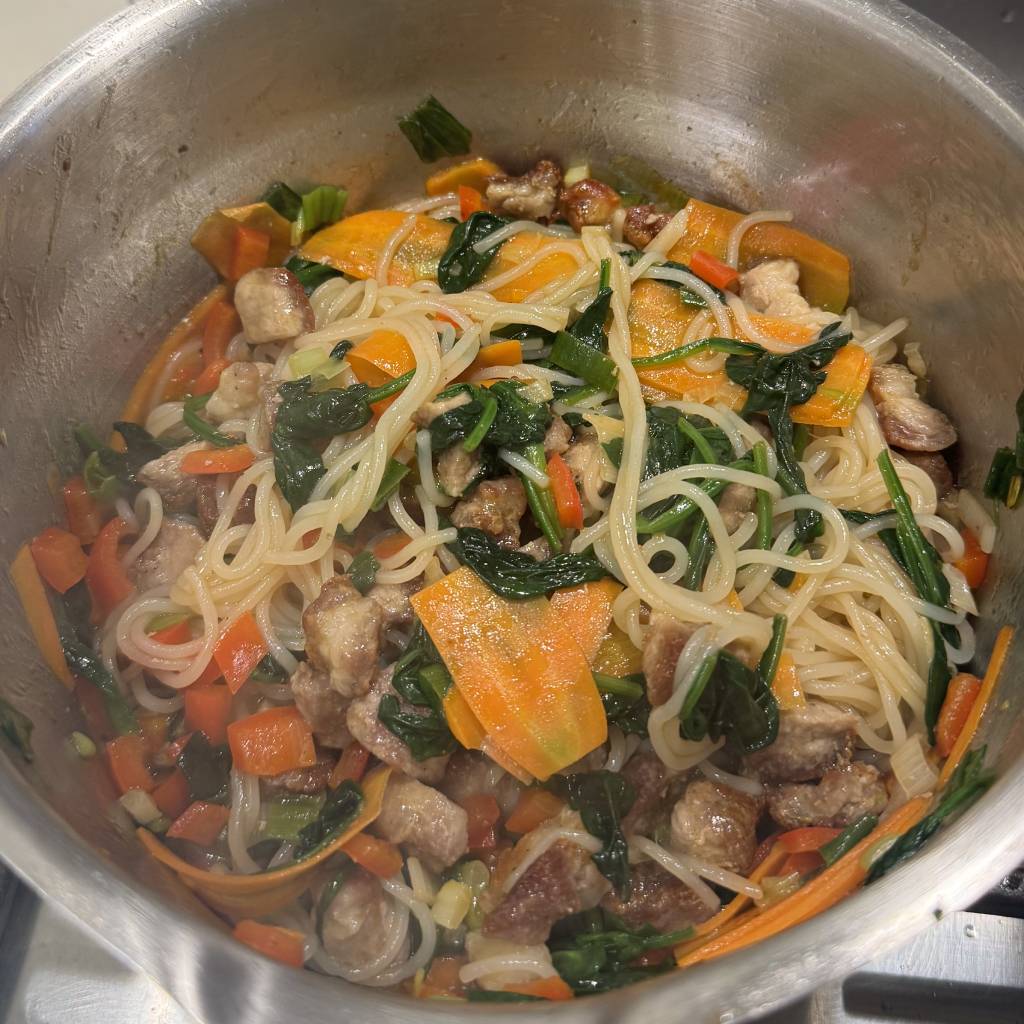
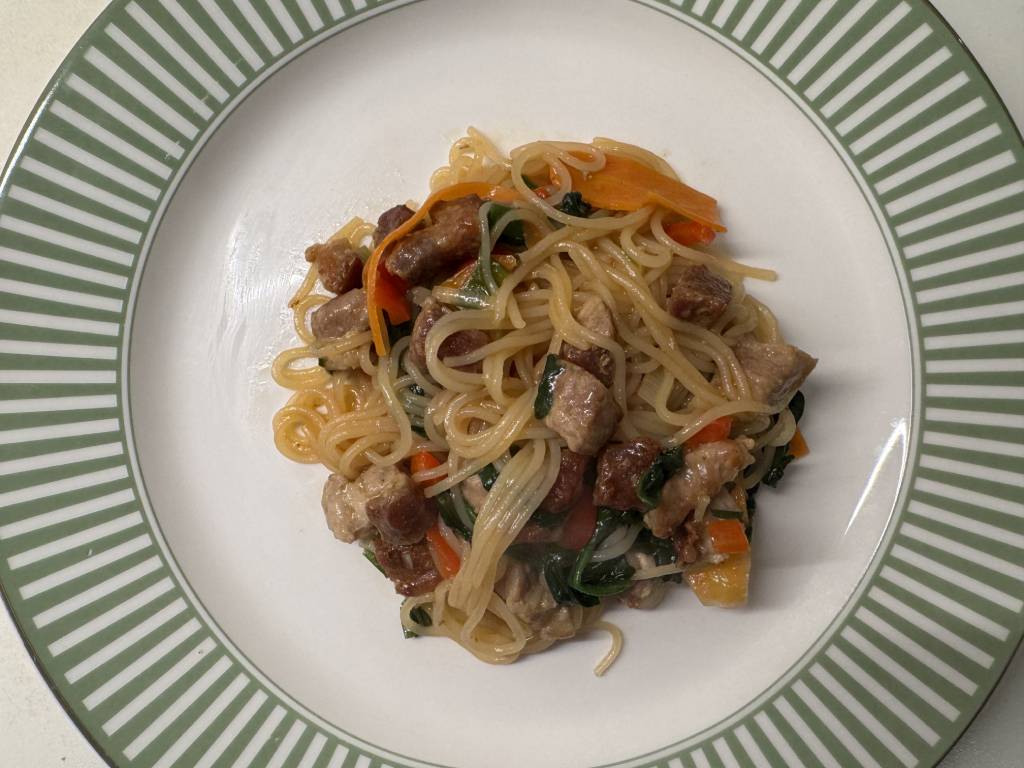
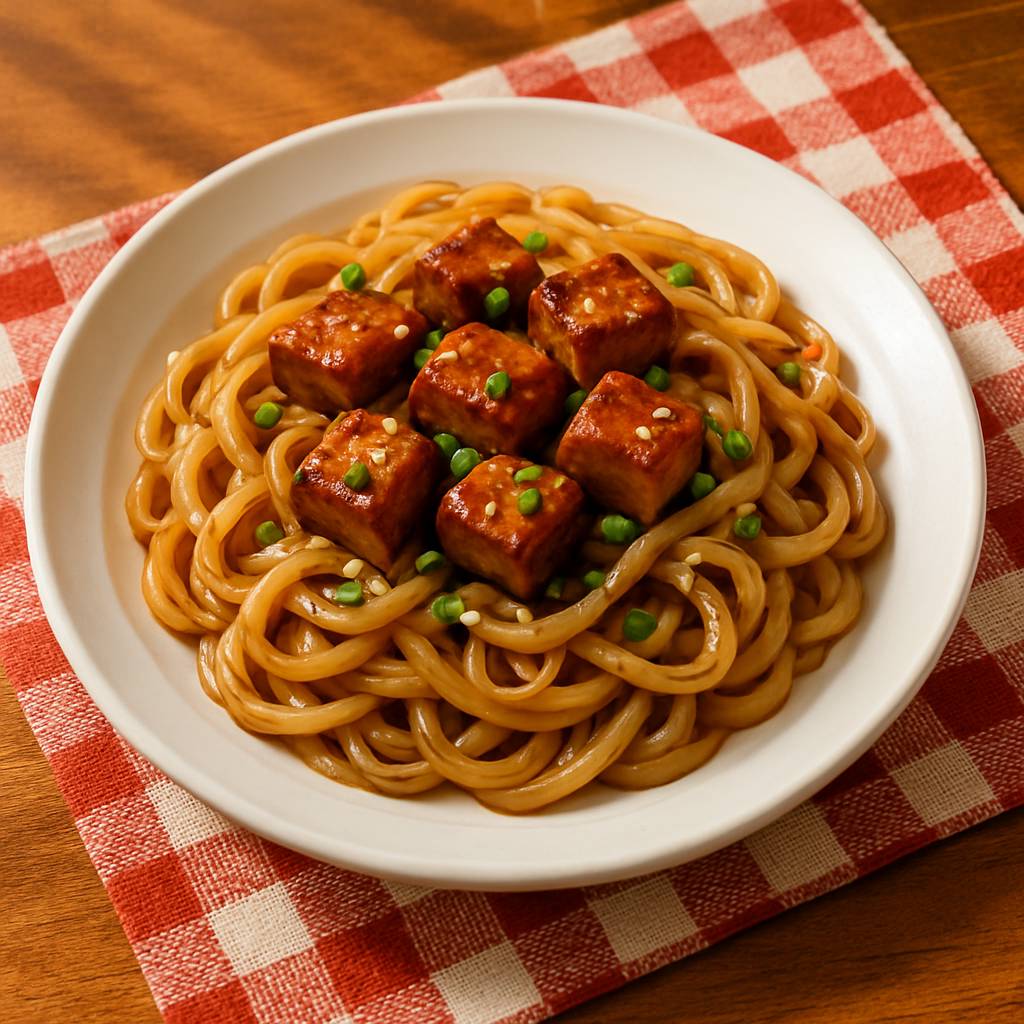
Family-friendly noodle skillet with flexible toppings
Toppings flexible

Build-Your-Own Noodle Skillet

30 min · Flexible dinner
  • One spicy sauce for everyone Mild base + spicy finish
  • Fixed vegetables Crisp toppings on the side
  • One protein only Chosen protein defaults
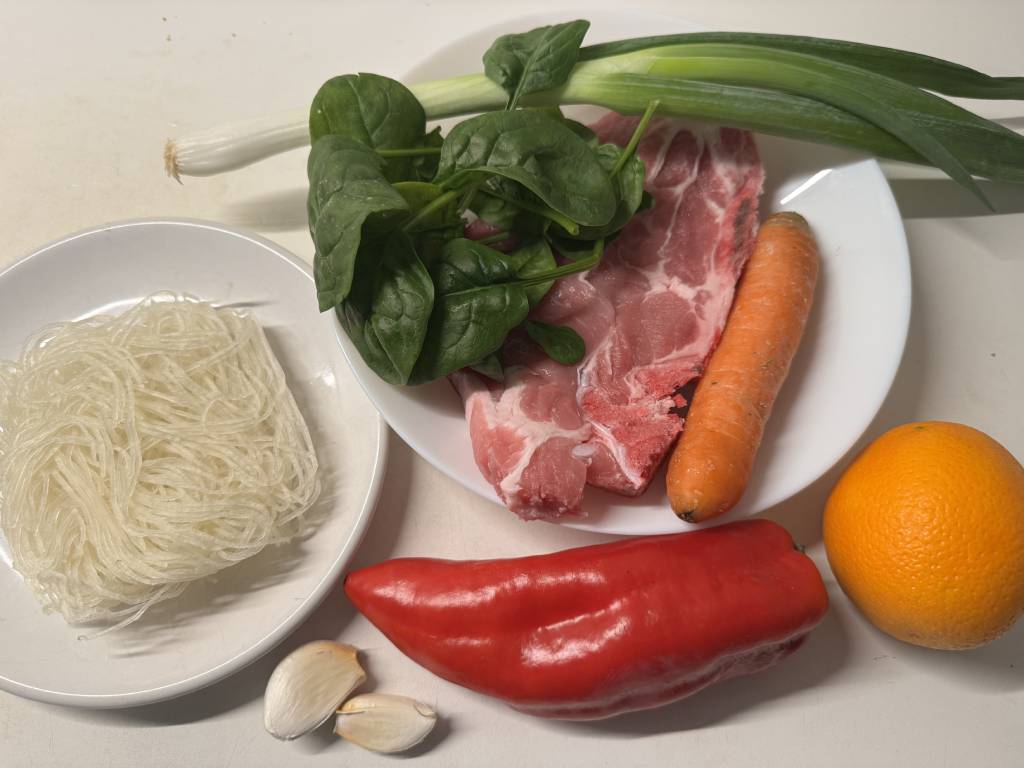
Cooking a family noodle skillet Building a mild sauce base Finished flexible noodle skillet

Kale AI can keep one cooking flow while allowing different toppings, heat levels, and ingredient preferences at the end.

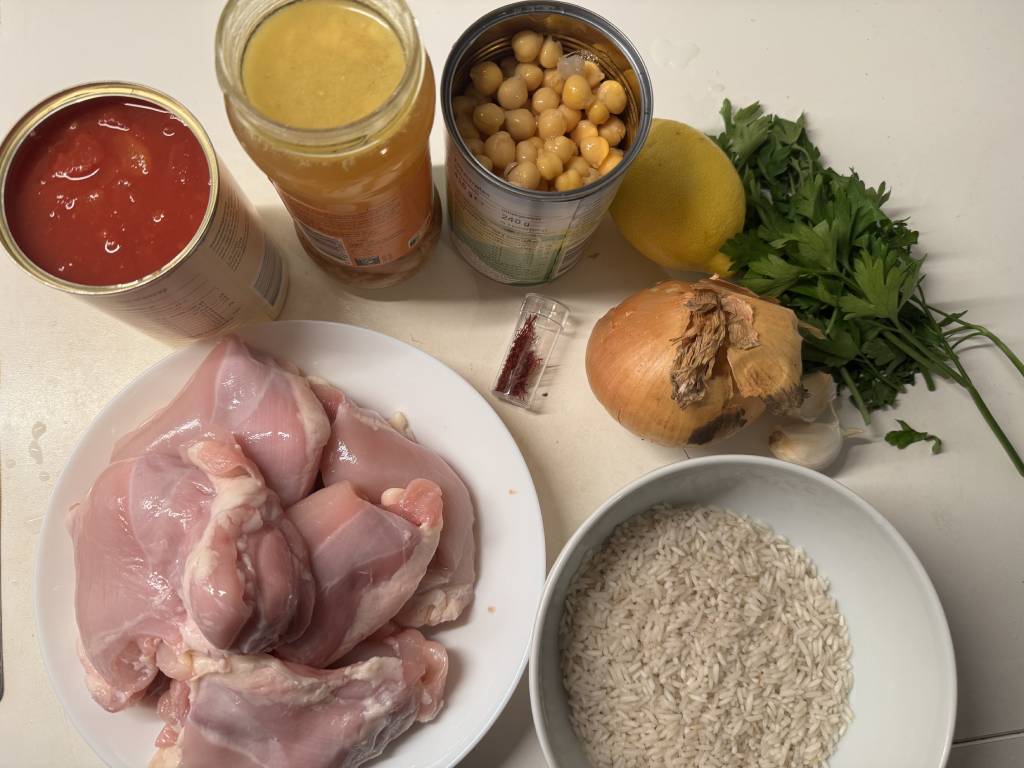
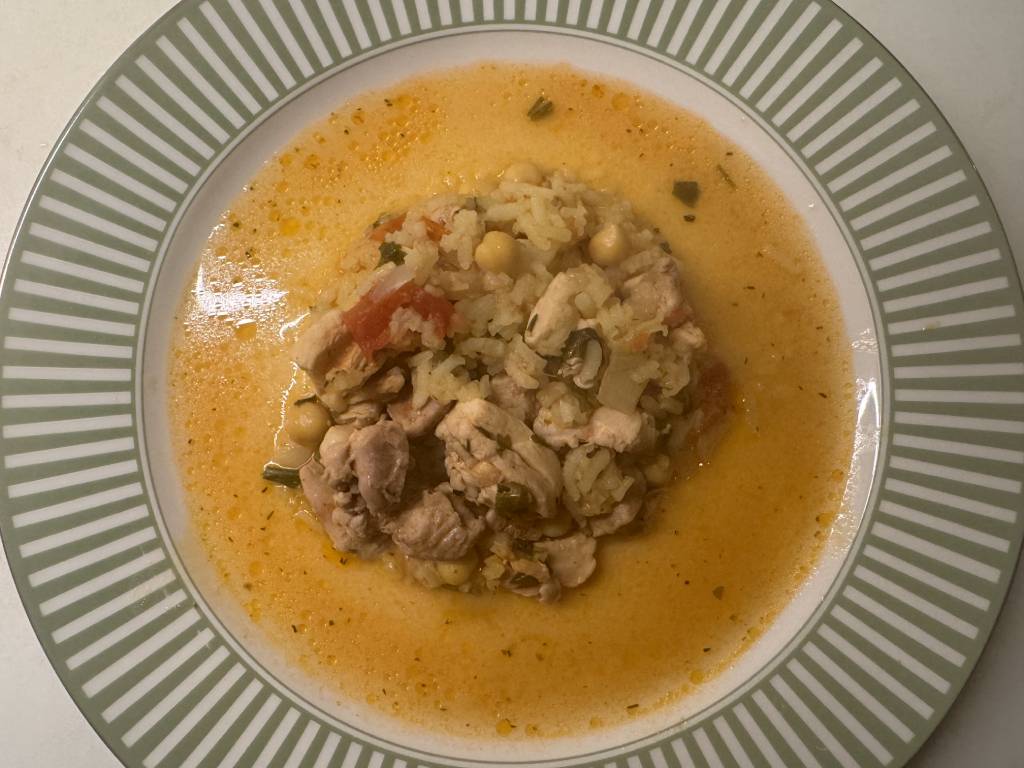
Family one-pot dinner with flexible sides
Shared base

Chicken & Rice Cazuela with Side Options

60 min · One-pot dinner
  • One fixed one-pot Shared base + optional greens
  • Same seasoning level Mild pot + flavour at table
  • No preference plan Toppings and sides by profile
Building a family cazuela base Adding rice to family dinner Finished family one-pot dinner

A shared base can reduce cooking load while still leaving room for preference-friendly sides, toppings, and flavour levels.

Family chicken dinner adapted around preferences
Sauce optional

Lemon Chicken with Choose-Your-Side Defaults

20 min · Comfort dinner
  • Sauce on every plate Sauce served flexibly
  • One side only Rice, greens, or potatoes
  • Hidden vegetables Vegetables in preferred formats

Kale AI can adapt the family dinner around what needs to be shared and what can stay flexible.

The Kale AI way

Set the household defaults.
Stop repeating the debate.

01

Create a household profile.

Add shared preferences, ingredient boundaries, spice levels, cooking time, and which swaps or toppings should stay flexible.

02

Adapt recipes around shared bases.

Kale AI suggests dinners with common bases, optional toppings, flexible sauces, and sides that reduce separate cooking.

03

Cook with the flexible plan.

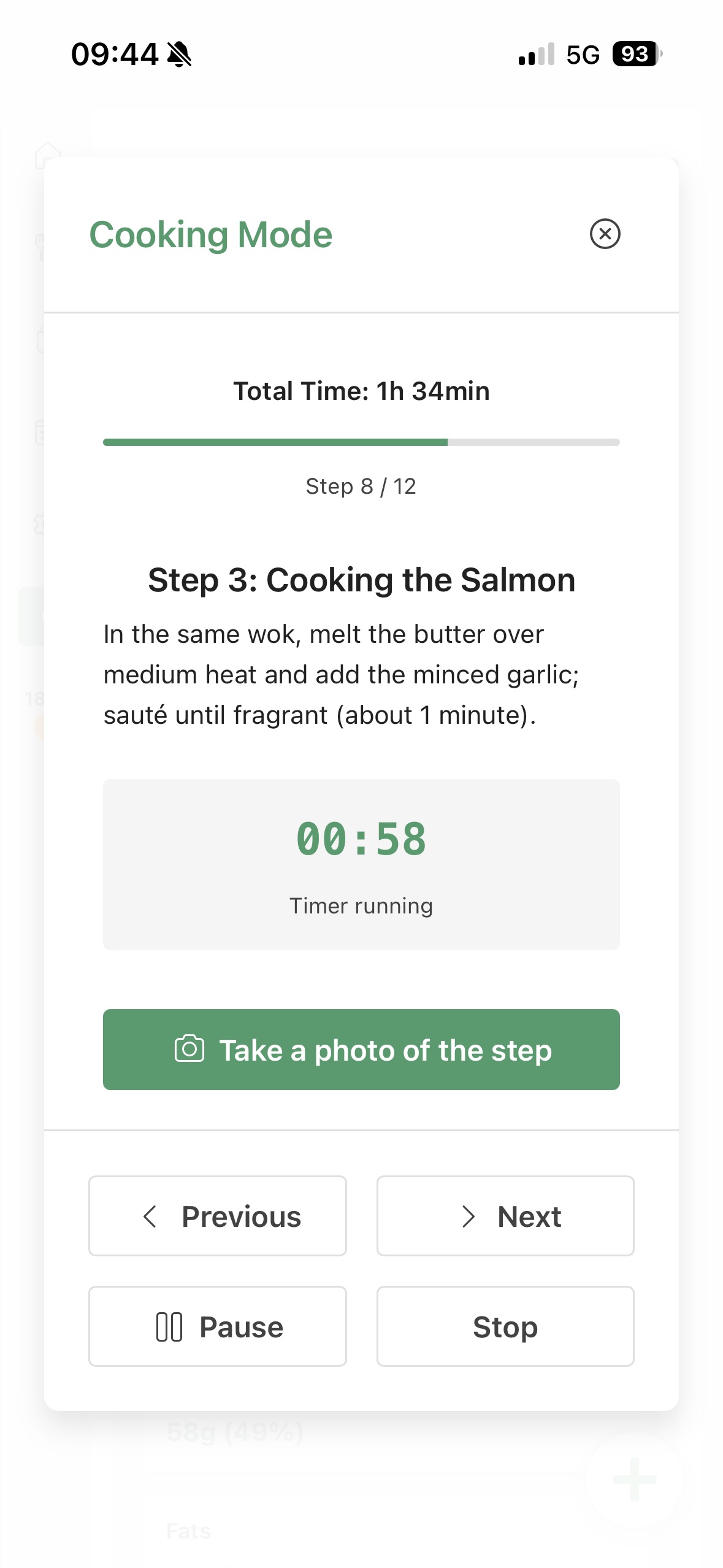
Cook Mode shows the shared steps and the optional finishes clearly, so dinner stays practical.

Cook Mode

The shared steps
stay shared.

Cook Mode separates the common cooking flow from optional toppings, sauces, and sides so family preferences do not turn into four different recipes.

Cook Mode interface for adapted family dinners

“The trick is not pleasing everyone with magic. It is designing dinner so the shared part stays shared and the preference part becomes a simple default.”

Fewer dinner negotiations
Common questions answered

Family dinner adaptation,
without the nightly debate.

How can I adapt family dinners around different preferences?

Use one shared dinner base, then vary toppings, sauces, sides, spice levels, or proteins where preferences differ.

Kale AI can suggest flexible recipe structures and turn them into a shopping list and Cook Mode.

Can AI help with picky households?

Yes. AI can help plan flexible meals with shared ingredients, optional finishes, and substitutions around the preferences you set.

Kale AI focuses on making one dinner work better, not forcing one perfect answer.

What dinners work well for mixed preferences?

Bowls, tacos, noodle skillets, rice plates, tray bakes, soups with toppings, pasta with flexible sauces, and one-pots with side options can work well.

These formats separate the shared base from the preference-specific finish.

What should be on a family adaptation shopping list?

Include shared bases, proteins, vegetables, sauces, mild and bold toppings, flexible sides, and pantry swaps that match household preferences.

Kale AI builds the list from the adapted dinners.

How do I reduce dinner arguments?

Decide the household defaults before dinner: shared bases, optional toppings, avoid-list ingredients, spice levels, and fallback sides.

Kale AI stores those defaults in the planning flow.

How does Kale Diary help with household planning?

Kale Diary helps you notice which meals repeat, which preferences show up often, and which dinner formats are easiest to adapt.

Then Kale AI can plan from those patterns.

References for smarter defaults

Useful context,
more flexible dinners.

Kale AI is a food planning and cooking app, not an advice product. These public references provide context for variety, food groups, and practical family meal planning.

Original adaptation note: Across our family dinner adaptation examples, the recurring pattern is a shared base with optional sauces, toppings, spice levels, and side defaults.

5 groups

MyPlate uses five food groups as a planning model

USDA MyPlate presents fruits, vegetables, grains, protein foods, and dairy as a simple food-group model that can help structure family meals.

USDA MyPlate

Variety

Public guidance emphasizes variety across food groups

The Dietary Guidelines for Americans emphasize varied food choices across food groups, which is useful context for flexible weekly dinners.

Dietary Guidelines for Americans, 2020–2025

Database

Food composition data supports planning comparisons

USDA FoodData Central provides public food composition data for ingredients and staples used when building family meal plans.

USDA FoodData Central

Start adapting family dinners around the preferences you choose.

No credit card. No sign-in required. Set the household defaults once and let recipes, shopping lists, and Cook Mode follow them.

QR code to download Kale AI Scan to download

Available on iOS and Android · Kale AI · Good Kitchen Vibes